The Ultimate San Juan Snorkeling Checklist
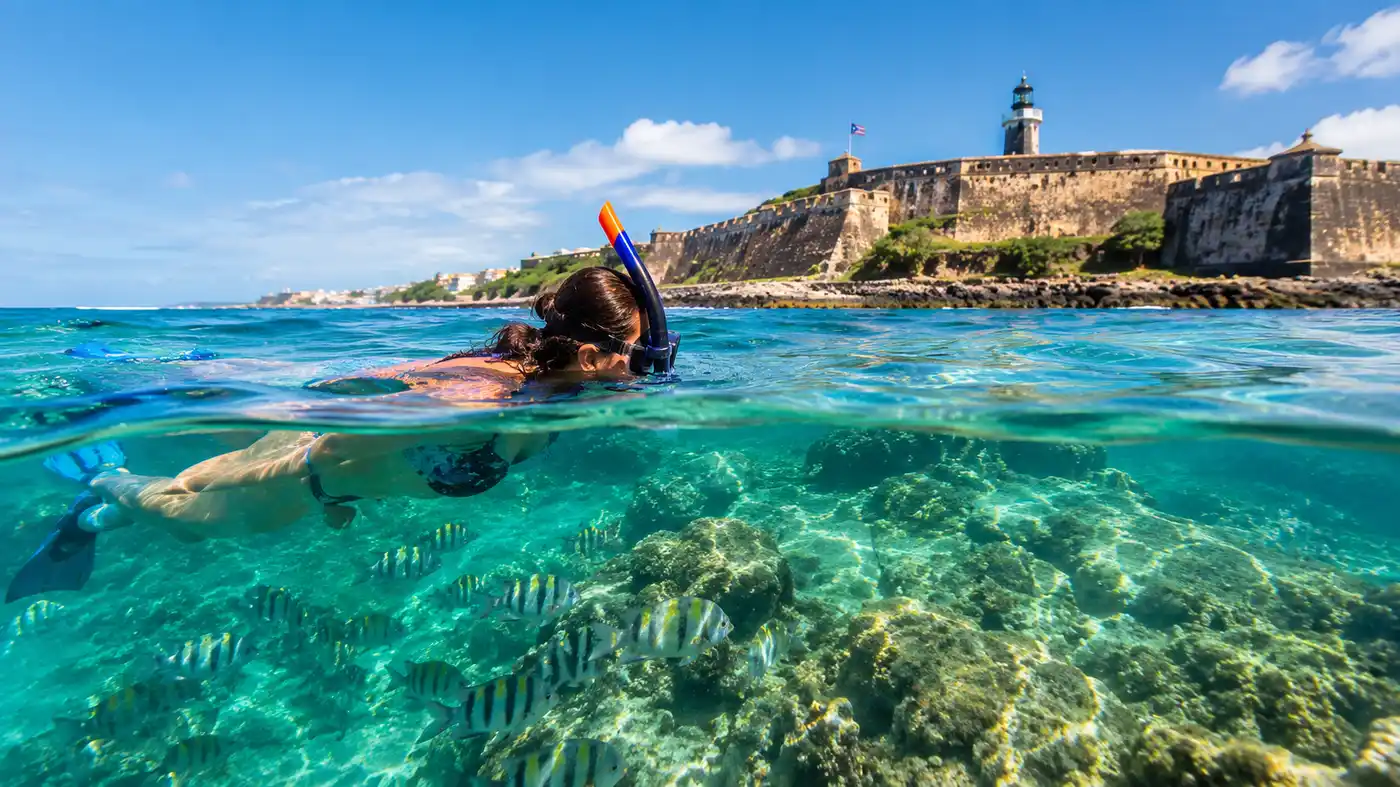
Most people land at Luis Muñoz Marín airport thinking about rum punch and fortress walls, but if you leave your mask behind, you miss half the island. Packing for tropical waters sounds effortless until you find yourself on a jagged limestone ledge with a cheap plastic strap snapped behind your ear. Building a reliable san juan snorkeling checklist saves you from scouring overpriced tourist shops in the middle of a short trip. It also keeps you safe from the unpredictable north coast currents.
I have spent countless mornings drifting over the seagrass beds near the old city and dodging sea urchins tucked into coral heads. Snorkeling in San Juan has a rhythm dictated by Atlantic swells, midday boat traffic, and sudden afternoon downpours. Below is everything you need to drag along, rent, or leave at home, along with the neighborhood realities you will encounter once you get your fins wet.
Book your snorkeling in puerto rico experience:
Essential Gear on Your San Juan Snorkeling Checklist
Do not rely on the dollar store masks sold near the cruise pier. The surf along the capital side of Puerto Rico can pick up fast, and clearing salty spray out of a leaky silicone skirt every four seconds ruins the entire morning. A low-volume mask fits closer to your face, seals better against light stubble, and gives you a wider field of view when scanning for green sea turtles. Pair it with a dry-top snorkel. Waves often chop up unexpectedly outside the breakwaters, and a splash guard will spare you a throat full of seawater.
Fins are non-negotiable for snorkeling in Puerto Rico San Juan, even if you consider yourself a varsity swimmer. The rip currents along the open beaches can tire you out within ten minutes if you try to kick with bare feet. Compact travel fins work fine for shallow bays, though full-foot dive fins offer much better thrust if you venture past the inner reefs. If you prefer to pack light, you can review snorkel gear rental in San Juan where to rent costs can guide your budget, typically running around $22 a day.
Pro tip: Coat your dry mask lens with a tiny drop of cheap baby shampoo mixed with tap water before heading to the beach, rinse it once, and it will stay clear for three hours straight.
Here are the non-negotiables to throw in your day bag before leaving the hotel:
- Low-volume silicone mask: provides an airtight seal that holds up against choppy surf.
- Dry-top snorkel: blocks rogue wave splashes from flooding your mouthpiece while surface breathing.
- Adjustable short fins: easy to wedge into a standard carry-on backpack yet strong enough for tide pulls.
- UPF 50+ long-sleeve rashguard: protects your back during long drifts without relying on greasy lotions that harm coral.
- Mesh gear sack: lets the sand drain through while walking back down the sidewalk toward your rental car.
Safety and Environmental Essentials for Puerto Rico Waters
The Caribbean sun feels deceptive when your back is submerged in cool water for an hour. Traditional sunscreens contain chemicals that bleach polyps, and local authorities actively encourage reef-safe formulas made with non-nano zinc oxide. Buy your mineral sunscreen before your flight or pick it up at a local pharmacy in Condado; otherwise, you will pay $19 for a miniature bottle in the resort zones. Honestly, a good synthetic rashguard is ten times more effective and never washes off.
Watch out for fire coral and long-spined black sea urchins hiding in crevices. Neoprene booties or sturdy water shoes will save your soles if you need to wade in through rocky shallows. Walking directly onto coral heads will cut your feet and kill colonies that took decades to grow, so never stand up unless you can see clean sand below your ankles.
Note: Red flags on San Juan beaches mean zero ocean access; do not attempt to snorkel off Condado Beach or Ocean Park when flags fly, as the undertow has swept strong swimmers out to sea.
A high-visibility inflatable swim buoy is an item that rarely shows up on a standard packing list, but it belongs on any thorough san juan snorkeling checklist. Local paddleboarders, hydrofoils, and small fishing boats cut through nearshore channels daily. Dragging a bright orange or yellow buoy behind your waist ensures boaters spot your head before they get within striking distance.
Choosing the Best Places to Snorkel in San Juan Puerto Rico
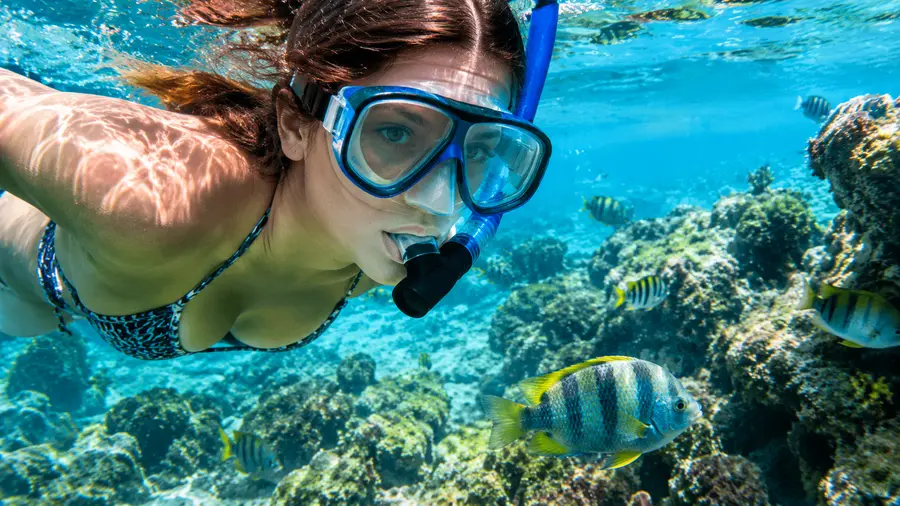
Not every beach in the metro area supports underwater life. The north coast is battered by the Atlantic, leaving wide sandy stretches like Ocean Park completely barren of reefs. If you want the best snorkeling in San Juan Puerto Rico, you need protected coves with rocky barrier structures. Balneario del Escambrón remains the undisputed hub for wildlife because its natural rock walls block the open swell, allowing parrotfish, blue tangs, and rays to graze without getting thrown onto the shore.
For tranquil conditions without ocean breakers, Condado Lagoon snorkeling a beginners paradise provides an entirely different scene. The lagoon is brackish, bordered by mangroves, and serves as an estuary where West Indian manatees come to feed on turtle grass beds. Visibility drops after heavy rainstorms due to urban runoff, but on calm sunny mornings, it feels like floating inside a saltwater lake. You can explore the top 5 snorkeling beaches in San Juan you can't miss to plan a multi-day itinerary around the city's coast.
| Snorkel Site | Entry Type | Typical Visibility | Key Marine Life |
|---|---|---|---|
| Escambrón Beach | Sand beach | 15 to 30 feet | Green sea turtles, blue tang, squid |
| Escambrón Marine Park | Stone steps / rocks | 20 to 45 feet | Sergeant majors, moray eels, brain coral |
| Condado Lagoon | Sandy edge / dock | 10 to 20 feet | Manatees, spotted eagle rays, starfish |
| Playita del Condado | Shallow sand | 10 to 25 feet | Juvenile reef fish, crabs, needlefish |
Every site has trade-offs. While Escambrón offers genuine reef life, parking on weekends can take 40 minutes if you arrive after 9:30 AM. Condado Lagoon lacks coral formations entirely, but the chance of paddling alongside an eight-hundred-pound manatee more than makes up for the muddy seafloor.
Book your snorkeling in puerto rico experience:
Daily Logistics and Planning Your Outing
Timing your water entry determines whether you see a vibrant nursery or a wall of churned sand. Trade winds build steadily as the sun heats the island, transforming flat glass into wind chop by 1:00 PM. Get out early. The water is clearest around 7:30 AM, before hundreds of beachgoers kick up sediment and before the tour operators drop their anchors in the cove.
Here are several practical rules to remember when organizing your morning:
- Target slack high tide: check local tide tables so you have maximum depth over shallow reef flats.
- Monitor Atlantic swells: winter months bring distant storm swells that ruin shore visibility for days at a time.
- Stash your valuables: leave passports and extra credit cards locked in your room safe instead of sitting inside a canvas bag on the beach.
- Keep small cash on hand: parking at Escambrón generally costs around $5 to $7, and municipal attendants do not always take cards.
- Rinse gear quickly: saltwater and fine silica will lock up camera latches and crust over silicone straps by noon.
If you prefer an organized boat ride to offshore keys rather than kicking out from the city sand, looking into day excursions can be smart. Checking our guide on best snorkeling tours in San Juan top excursions 2026 helps match you with operators that carry proper emergency oxygen and quality dive gear.
Gadgets, Care, and Personal Comfort Items
Bring along a small waterproof dry bag for your rental car key fob. Modern electronic fobs drown quickly, and tow trucks in San Juan move at their own leisurely pace. A simple 5-liter roll-top dry bag clipped to your swim buoy keeps your key, driver's license, and an emergency ten-dollar bill bone dry.
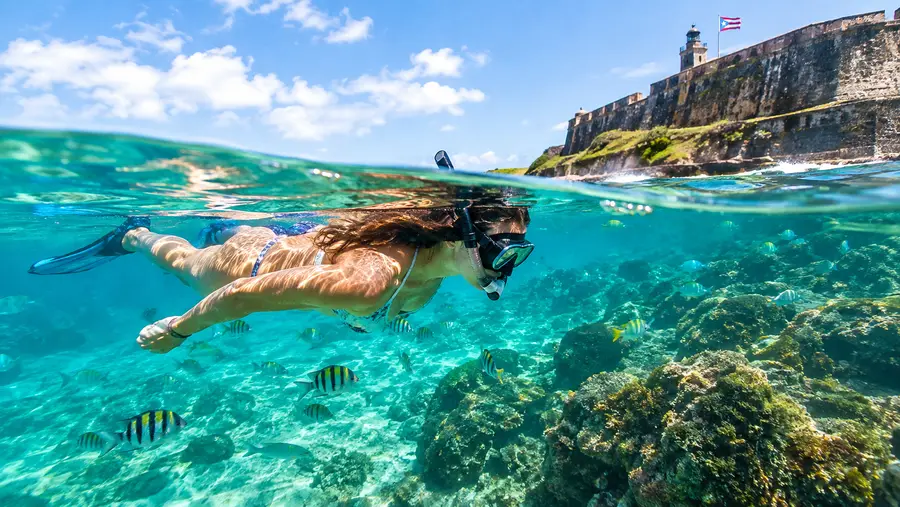
Underwater cameras are great, but do not let managing a selfie stick distract you from your surroundings. If you bring a GoPro or action cam, secure it with a floating wrist lanyard. Countless cameras sit at the bottom of Escambrón cove because someone dropped their unweighted handle while fiddling with their strap. Add an anti-fog insert into the waterproof housing if you use one; humidity in Puerto Rico runs high, and fogging lenses ruin footage instantly.
Throw two large bottles of drinking water into your beach kit. Dehydration creeps up rapidly while swimming under equatorial sunshine, and swallowing unintentional gulps of saline leaves a harsh taste that plain water fixes. A travel pack of vinegar or sting relief gel is another tiny inclusion that can save an afternoon if you accidentally brush against a stray sea thimble jellyfish in late spring.
Frequently Asked Questions about san juan snorkeling checklist
What gear must be on my san juan snorkeling checklist?
Bring a properly fitting low-volume mask, dry-top snorkel, short fins, a rashguard for sun protection, and a bright safety buoy to stay visible to boats.
Can you rent snorkeling equipment right on the beach in San Juan?
Yes, outfitters near Escambrón Beach rent masks, snorkels, and fins for roughly $15 to $25 per day, though quality varies greatly compared to your own gear.
Is snorkeling in San Juan safe for poor swimmers?
Only in protected sites like Condado Lagoon or inner Escambrón cove. Open ocean beaches along San Juan have severe undertows and are unsafe for weak swimmers.
Quick Reference
- Water temp: 79°F to 84°F year-round
- Prime time: 7:00 AM to 10:00 AM
- Top site: Escambrón Marine Park
- Must-have item: UPF 50+ rashguard
- Key rule: never touch live coral
Book your snorkeling in puerto rico experience:
Before You Go
Snorkeling right off the shores of an active Caribbean metropolis is a rare privilege. You can watch parrotfish crunching algae against colonial ruins in the morning, and be eating mofongo in an open-air café fifteen minutes later. Pack light, double-check your mask seal before you walk out the hotel door, and always respect the power of the Atlantic current.
Read more about snorkeling in puerto rico.