Beginners Guide to Snorkeling Condado Lagoon
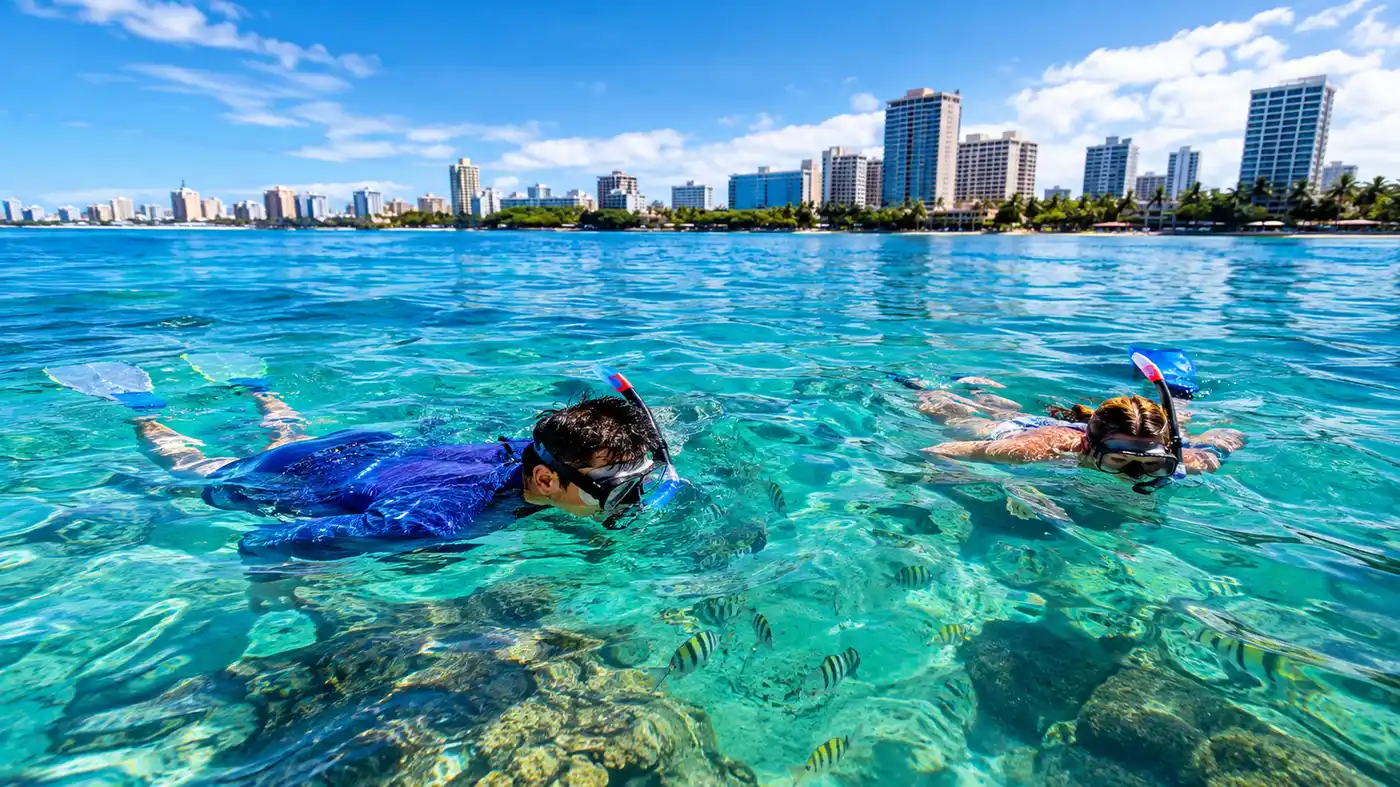
Most people stepping off a plane at Luis Muñoz Marín head straight for the Atlantic breakers, drop their towels on the sand, and never look behind the hotel strip. That is a mistake if you want calm water. Right behind the concrete skyline of Ashford Avenue sits Laguna del Condado, a brackish estuary that feels worlds away from the pounding north coast surf, making snorkeling condado puerto rico one of the easiest ways to get your fins wet without fighting undertows.
I learned to snorkel in rough open water years ago and swallowed half the sea in the process. Condado Lagoon is the exact opposite experience. It is protected, shallow along the margins, and home to a resident population of West Indian manatees that munch on seagrass while city traffic hums across the bridge overhead. If you are nervous, traveling with kids, or just looking to test out a new mask before heading out to deeper reefs, this guide walks you through the entry points, conditions, wildlife, and gear logistics.
Book your snorkeling in puerto rico experience:
Understanding Laguna del Condado
The lagoon spans roughly 98 acres and connects to San Juan Bay on the west and the Atlantic Ocean through a small channel on the east. Because it is an enclosed natural reserve - officially the Estuario de la Bahía de San Juan - motorized watercraft like jet skis are banned inside the main basin. That single rule changes everything. Instead of dodging engines, you share the surface with paddleboarders, kayakers, and the occasional brown pelican diving headfirst into baitfish schools.
Water depth averages between 4 and 15 feet across the swimming zones, though the dredged center channel drops to around 30 feet in spots. You will not be swimming out into the shipping lanes, of course. Beginner Condado lagoon snorkeling happens almost entirely along the shallow southern and eastern shelves where sunlight penetrates straight down to the sandy flats and turtle grass beds.
Water clarity here varies depending on rain and tides. When an afternoon downpour dumps water into the city storm drains, runoff can turn the lagoon milky for about 24 hours. On dry mornings during an incoming tide, high-salinity ocean water flushes through the inlet under the Dos Hermanos Bridge, turning the shallows a surprisingly crisp jade green. It is never going to look like the swimming pool clarity of Flamenco Beach on Culebra, but visibility frequently hits 15 to 25 feet, which is plenty for spotting bottom-dwelling creatures.
Note: Ocean beaches nearby have serious rip currents. If you read about condado beach snorkeling, remember that the ocean side along Ashford Avenue is notoriously dangerous for swimming, whereas the enclosed lagoon side has zero surf and gentle currents.
Best Entry Points for Condado Lagoon Swimming and Snorkeling
You cannot just jump in anywhere. Mangroves and jagged limestone line long stretches of the perimeter. A few distinct spots offer easy footing where you can slide into the water without kicking an urchin or slipping on algae-covered rocks.
My preferred launch is the tiny strip of sand at the Jaime Benítez National Park, located on the southern shore along Baldorioty de Castro Avenue. There is a small gravel lot, some shade trees, and a low slope into the water. It rarely gets mobbed before 10:00 AM, giving you plenty of elbow room to adjust mask straps and kick off.
The second option is the small beach area right next to the Dos Hermanos Bridge, officially known as Playita del Condado or the bridge cove. This area faces the eastern inlet. It gets busier because hotel guests from the Condado Plaza walk down with lounge chairs, but the water exchange with the open sea is strongest here. You get clearer visibility near the bridge pilings, along with better odds of watching spotted eagle rays glide over the bottom.
Pro tip: Enter the water backward while holding your mask against your face if you are wearing long fins, or wade out until water hits waist depth before putting your fins on so you do not trip in the shallows.
Here is how the main access spots around the lagoon compare for a morning session:
| Entry Location | Shoreline Type | Water Depth | Best For | Crowd Level |
|---|---|---|---|---|
| Jaime Benítez Park | Sand and small pebbles | 3 to 8 feet | Manatee sightings, calm water | Low before 10 AM |
| Dos Hermanos Bridge Cove | Fine sand | 4 to 14 feet | Reef fish, clearer incoming tide | Moderate to busy |
| Condado Plaza Lagoon Beach | Soft sand | 2 to 6 feet | Wading beginners, nervous kids | Busy on weekends |
What You Will See: Marine Life in the Lagoon
People often assume Puerto Rico snorkeling is only worth doing over hard coral reefs. That simply is not true. Estuaries support different species that rely on mangrove root systems and seagrass nurseries during early life stages.
The headline attraction here is the West Indian manatee. An estimated 15 to 20 individuals move through the San Juan Bay estuary system, and they frequently gather in Condado Lagoon to rest in the warm brackish water and feed on marine grasses. Seeing an 800-pound animal float gracefully three yards in front of you while chewing green shoots is an unforgettable sight. They are completely gentle, slow, and curious, though local laws strictly forbid touching, pursuing, or cornering them.
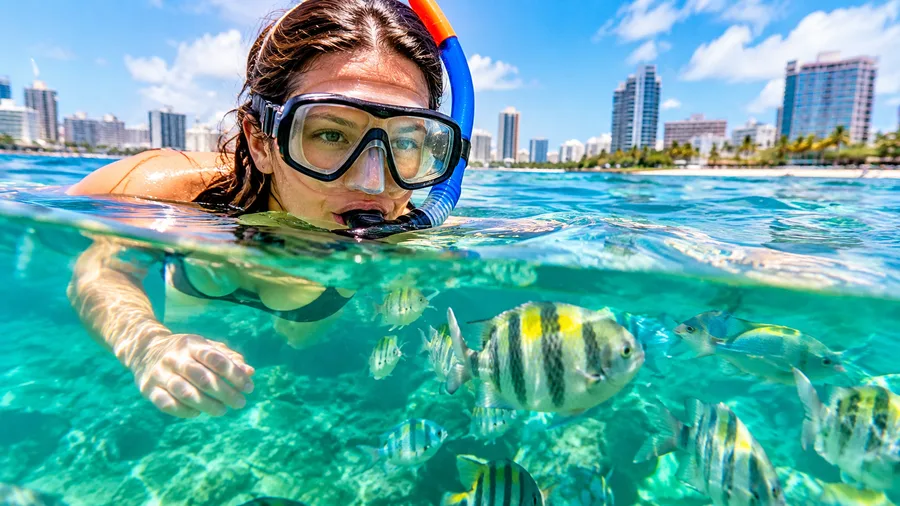
Green sea turtles and juvenile hawksbills also frequent the seagrass beds. Look for them coming up for air every 7 to 10 minutes. When down below, they dig their heads into the bottom grass, unbothered by floating snorkelers overhead. Alongside the reptiles, you will encounter schools of striped sergeant majors, yellowtail snappers, puffers, and the occasional juvenile barracuda hovering motionless like a floating silver dart.
Around the bridge footings and artificial concrete structures, colorful encrusting sponges and small brain corals cling to the stone. You might also spot:
- Spotted eagle rays: usually spotted cruising near the bridge channel during mid-tide cycles.
- Cushion sea stars: thick orange and brown starfish resting motionless on the sand patches between grass beds.
- French grunts: bright yellow-striped fish that gather in small schools near underwater rocks.
- Ballyhoo: skinny needlefish skimming right beneath the surface film.
Book your snorkeling in puerto rico experience:
Safety, Conditions, and Local Hazards
Whenever someone asks me, "is Condado lagoon safe?", my answer depends on whether they mean water quality or physical dangers. From a current perspective, it is arguably the safest saltwater swimming area in metro San Juan. There are no breaking waves, no undertow, and no rip tides pulling you toward the open Atlantic. If you get tired, turning onto your back lets you float easily in the dense saltwater while catching your breath.
Water quality requires slightly more awareness. The lagoon is an urban body of water surrounded by paved neighborhoods. Heavy tropical rains push street runoff into the basin through storm drains. After severe rainstorms, bacterial levels occasionally spike for 24 to 48 hours. Puerto Rico's Department of Natural and Environmental Resources monitors the water, and local swimming groups generally avoid entering if there was a heavy downpour the night before. If the water looks murky and brown, save your snorkel session for the next morning.
Boat traffic is minimal due to the motor ban, but you still need to pay attention to paddleboards and tandem kayaks. Paddleboarders often look down at their feet or off toward the skyline and might not spot a snorkeler floating low on the surface. Wearing a bright yellow or neon orange snorkel vest solves this problem instantly by making you visible from 60 yards away.
Down on the bottom, watch where you step. While sandy patches are soft, you will encounter occasional sea urchins tucked against rock borders and mangrove roots. Step onto sand only, or better yet, stay horizontal and keep kicking gently so your feet never touch bottom.
Gear, Logistics, and Planning Your Morning
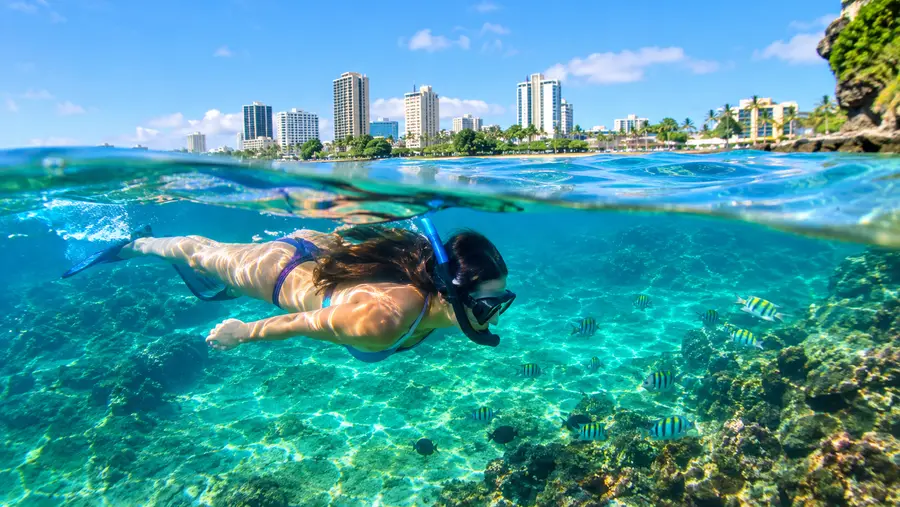
You can rent gear from small outfitters stationed near the lagoon edge along Ashford Avenue or near the bridge, usually running about $15 to $22 for a two-hour mask, snorkel, and fin rental. If you plan on doing multiple sessions around the island - like checking out condado lagoon snorkeling spots before driving west toward snorkel spots dorado - buying your own silicone mask at a dive shop in Miramar will pay for itself within three days.
Timing your outing makes a massive difference in the lagoon. Midday winds pick up around 11:30 AM, creating surface chop that makes snorkeling tiring and kicks up sediment in the shallows. The early morning window from 7:00 AM to 9:30 AM is magic: the surface is flat like glass, the manatees are actively feeding, and parking along the park perimeter is actually manageable.
To make the most of your Condado snorkeling session, follow this simple routine:
- Check the weather history: skip the lagoon if San Juan received heavy rain in the past 18 hours.
- Arrive before 8:30 AM: secure easy parking along Baldorioty de Castro and beat both the wind and the rental crowds.
- Pack reef-safe sunscreen: chemical sunscreens with oxybenzone harm fragile estuary organisms, so choose non-nano zinc oxide formulas instead.
- Bring an anti-fog drop: spit works in a pinch, but a commercial anti-fog drop keeps your vision crystal clear during long search periods for manatees.
- Secure personal belongings: leave valuables in your hotel safe rather than unattended on a towel on the beach grass.
Snorkeling in Isla Verde Puerto Rico offers a different feel with wider ocean sandbars, but for tranquil, stress-free snorkeling in Puerto Rico right within walking distance of modern hotels, Condado Lagoon remains unbeatable for newcomers.
Frequently Asked Questions about snorkeling condado puerto rico
Is Condado Lagoon safe for children and non-swimmers?
Yes, as long as they wear properly fitted life vests or snorkel vests. The water has no surf or current on regular mornings, and there are wide sandbanks near the shore where water depth stays below waist level.
Can you touch the manatees if they swim up to you?
No. West Indian manatees are strictly protected under federal and local wildlife acts. Touching, feeding, or harassing them carries heavy fines. If one approaches you, stay calm, float still, and observe without reaching out.
Do I need a guided tour to snorkel Condado Lagoon?
Not at all. You can easily walk right in from Jaime Benítez Park or Playita del Condado on your own. Guided tours can be helpful if you want an instructor to teach you gear basics or point out hidden marine life, but self-guided snorkeling is free and straightforward.
What is the water temperature throughout the year?
Lagoon water is warm year-round, typically hovering between 81 and 85 degrees Fahrenheit. You will not need a wetsuit, though a lightweight rash guard helps prevent sunburn on your back and shoulders while floating.
Quick Reference
- Location: Laguna del Condado, San Juan
- Entry cost: Free public access
- Best entry: Jaime Benítez Park or Dos Hermanos Bridge
- Top sightings: Manatees, green sea turtles, spotted eagle rays
- Best time: 7:00 AM to 9:30 AM on incoming tides
Book your snorkeling in puerto rico experience:
My Take
If you want jaw-dropping coral drop-offs, head east toward Fajardo or book a boat out to Culebra. But if you want a calm, accessible morning swim where you might share a quiet bay with an 800-pound manatee before grabbing breakfast on Ashford Avenue, grab your snorkel and jump in right here.
Read more about snorkeling in puerto rico.