The Reefs of Puerto Rico Beyond San Juan
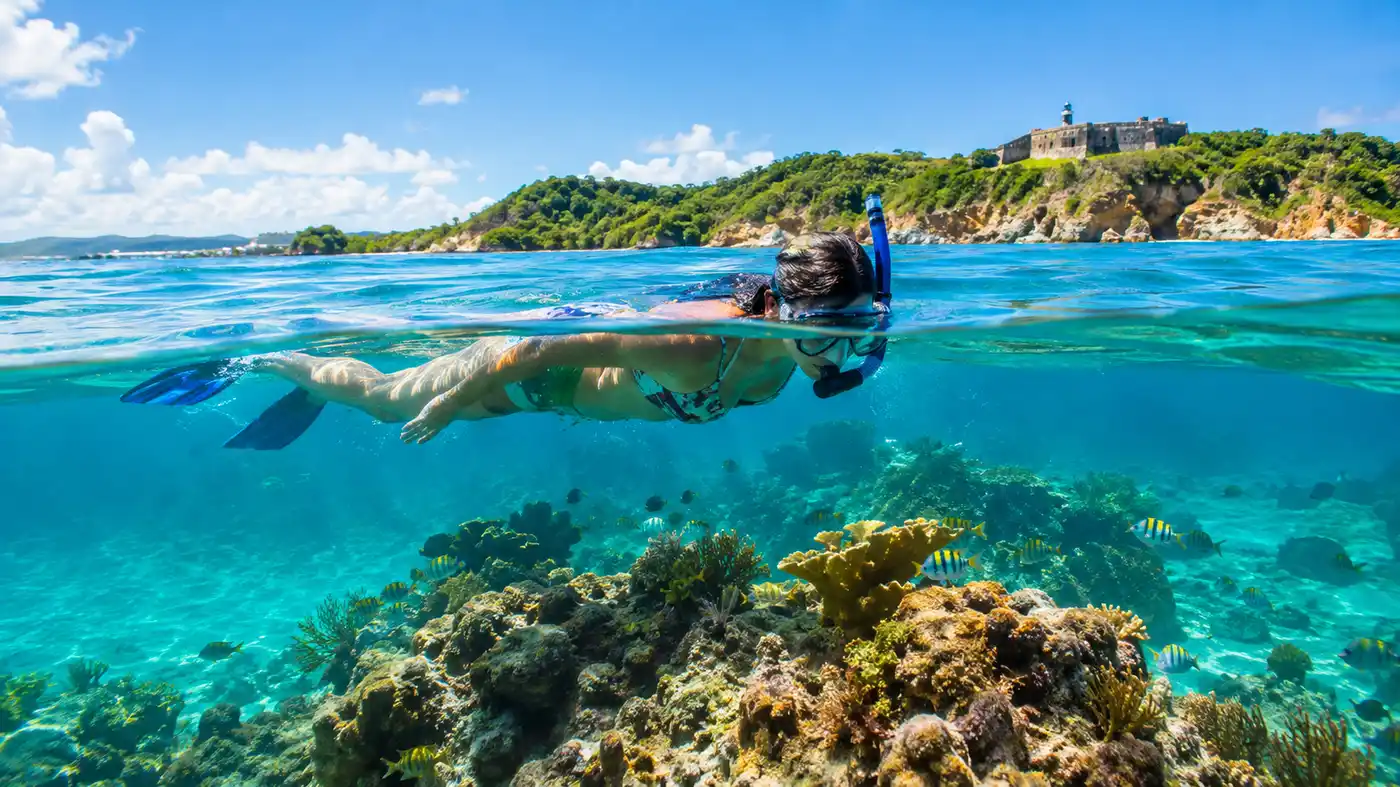
Most visitors drop their bags in the capital, rent a mask at Escambrón, and assume they have seen what the island offers underwater. While city snorkeling has its moments, the truly magnificent reefs in puerto rico sit well beyond the metro limits. Out where the coastal runoff clears and the boat traffic thins, the seafloor changes completely. You trade murky harbor concrete for purple sea fans, massive brain corals, and drop-offs that plunge into dark Caribbean blue.
Getting to the healthier systems requires a bit of driving or a ferry ticket. You might find yourself bouncing across a sunlit channel toward an offshore cay or walking straight off a cobblestone beach in Rincón into a forest of elkhorn coral. This guide walks you through the top outer barrier reefs, remote cays, and marine reserves across the island, showing you where the waters stay clear and marine life still rules the shallows.
Exploring Culebra and Vieques: The Best Coral Reefs in Puerto Rico
If someone asks does puerto rico have coral reefs that rival the rest of the Caribbean, the answer lives off the eastern coast. Culebra and Vieques sit in the passage between the main island and Saint Thomas, bathed in clear, nutrient-rich currents. The water clarity here frequently pushes past 70 feet, making every patch of seafloor visible from the surface. On Culebra, Carlos Rosario Beach is an absolute standout. It takes a roughly 20-minute hike through scrub brush from the Flamenco parking lot to get there, but the reef begins just yards from the sand. Massive mountainous star corals rise toward the surface, surrounded by schools of blue tang and French angelfish.
Further south on Vieques, the old Mosquito Pier stretches out nearly a mile into the sound. It was built during World War II, and over the decades its concrete pilings have transformed into an artificial reef covered in brilliant orange sponges and branching gorgonians. Green turtles sleep along the bottom while spotted eagle rays glide through the sunbeams. If you want a full day of this, taking a Culebra day trip from San Juan snorkeling Flamenco Beach and its neighboring cays is usually the simplest way to reach the outer water without managing car rentals and complicated ferry timetables.
Pro tip: Bring a pair of lightweight hiking sandals for Carlos Rosario. The trail is rocky and dry, and walking it in cheap flip-flops will shred your feet before you even hit the water.
Around Cayo Luis Peña, just off Culebra's western flank, the underwater landscape turns dramatic. Giant boulders form swim-throughs and underwater canyons where nurse sharks nap during the day. Because the cay is part of a protected nature reserve, fishing has been barred for years. The fish here show very little fear of swimmers. Giant barracudas hover like chrome pipes in the current, watching you lazily as you float over fields of mustard hill coral.
Book your snorkeling in puerto rico experience:
La Parguera: Coral Reef Puerto Rico Highlights on the Caribbean Side
Down on the southwest corner of the island sits Lajas and the small fishing village of La Parguera. This area is mostly famous for its glowing bioluminescent bay, but by day, it holds some of the healthiest mangrove and barrier reef systems anywhere in the territory. A long chain of emergent cays sits two to four miles offshore, buffering the coastline from open ocean swells. Cayo Enrique is the classic stop, featuring an expansive shallow reef crest where sea fans sway in rhythm with the Caribbean tide.
The reef architecture here differs from the east coast. Instead of granite boulders and rocky ledges, you see vast patch reefs built up over thousands of years. Elkhorn corals spread wide antlers across the shallows, while yellowtail snappers trail closely behind your fins hoping you stir up small crustaceans from the sand. A short boat hop further out lies Media Luna and Cayo Laurel. These outer barriers drop off steeply into deeper water where pelagic species cruise past, including king mackerel and occasional blacktip reef sharks.
Renting a small motorized skiff from the waterfront boardwalk is surprisingly affordable, usually around $120 for half a day. You do not need a captain's license to putter around the marked channels. Pack a cooler with Medalla, plenty of drinking water, and some local pastries from town. Tying off to a designated mooring ball lets you slip into eighty-degree water without worrying about anchoring onto live coral heads.
Note: Anchor damage is heavily fined in the reserve. Always use the white public mooring buoys or drop your anchor strictly in bare white sand well away from dark reef patches.
The Wild West: Rincón and the Pristine Shelf at Desecheo
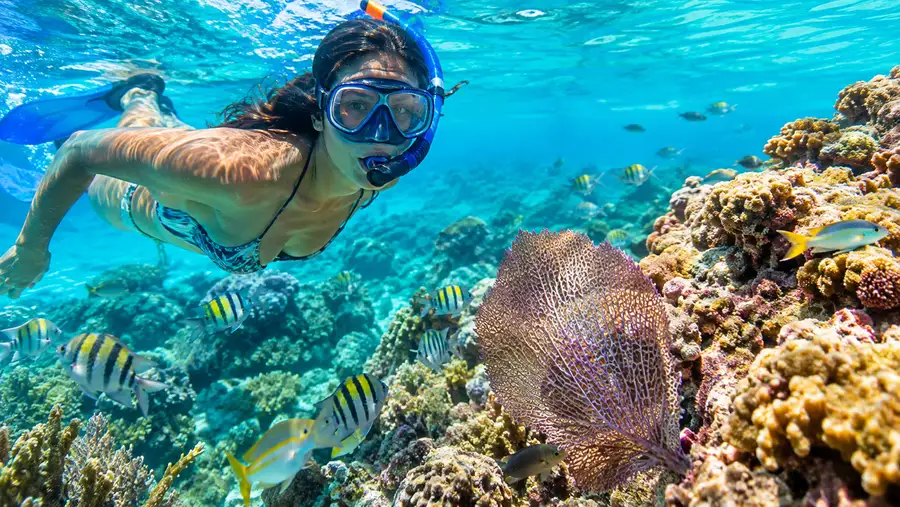
The west coast operates on a completely different rhythm. During the winter, huge North Atlantic swells turn Rincón into a global surf capital, which means snorkeling is out of the question due to rough surf and churned sediment. Come late May through September, the ocean flattens out into glass. That is when the Tres Palmas Marine Reserve opens up its treasures. Located right off Steps Beach, this sanctuary protects one of the most significant stands of endangered elkhorn coral in the entire Caribbean basin.
You step over the smooth beach stones, kick through the calm shorebreak, and within 40 feet you are suspended above massive golden-brown coral structures. The antlers reach up to within inches of the surface at low tide. Parrotfish scrape the limestone with audible crunches, their vibrant turquoise scales catching the sunlight. If you swim along the outside edge of the reef, hawksbill sea turtles are an almost guaranteed sight as they graze on sponges.
For the truly dedicated diver, Desecheo Island sits roughly 14 miles off the coast of Rincón. This uninhabited wildlife refuge rises steeply from deep water. Because there are no rivers, no permanent human residents, and no coastal development, visibility regularly exceeds 100 feet. The reef shelves drop into canyons filled with black coral bushes and sea whips. Taking a chartered dive boat from Rincón or Aguadilla takes around 45 minutes, but the clarity makes it feel like you are soaring over submerged mountains rather than swimming.
Book your snorkeling in puerto rico experience:
Comparing Regional Puerto Rico Reefs
Every coast has its own weather patterns, bottom structure, and logistics. This breakdown helps you choose the right outer reef based on your comfort level and how much travel time you want to spend getting there.
| Region / Spot | Reef Character | Typical Depth | Water Visibility | Primary Access |
|---|---|---|---|---|
| Tres Palmas (Rincón) | Dense elkhorn coral gardens | 5 to 25 feet | 40 - 60 feet (Summer) | Shore entry off Steps Beach |
| La Parguera (Lajas) | Mangrove cays and barrier shelf | 6 to 40 feet | 50 - 75 feet | Small rental boat or water taxi |
| Mosquito Pier (Vieques) | Artificial reef on deep pilings | 15 to 35 feet | 60 - 80 feet | Shore entry via rubble ramp |
| Carlos Rosario (Culebra) | Patch reefs and boulder slopes | 8 to 30 feet | 70 - 90 feet | 20-minute trail hike from Flamenco |
| Desecheo Island | Deep volcanic ledges and drop-offs | 30 to 100+ feet | 80 - 120 feet | Offshore boat charter only |
Fajardo and the Cordillera Cays: Quick Escapes to Coral Reefs Near Me
If you cannot spare the time to cross the entire island to Rincón or wait on a ferry to Vieques, the Cordillera Cays off Fajardo offer the closest healthy coral reef near me when departing the metro area. Driving from San Juan takes roughly 55 minutes outside of rush hour. From the marinas in Fajardo, catamarans and private charters run daily trips out toward Cayo Icacos, Palominito, and Isla de Ramos. If you want to check other options near the capital, read through our guide to the best snorkeling near San Juan short trips from the capital for practical travel ideas.
Cayo Icacos is the undisputed favorite here. The southern side offers blindingly white sand bars and calm turquoise shallows, while the western and northern edges hold rocky reefs full of sea fans, moray eels, and sergeant majors. The current can pick up unexpectedly along the points, so staying within the sheltered coves is best if you are swimming without fins. The reef structure here is slightly more weathered than in Culebra, but the abundance of colorful reef fish makes it a rewarding stop for casual snorkelers.
For more experienced explorers, Cayo Diablo and Palomino hold deeper channels where nurse sharks and southern stingrays bury themselves in the sandy patches between coral heads. When the trade winds blow hard from the east, these outer cays take the brunt of the chop. Plan your day trips for mornings when the wind tends to stay light, usually before 11:00 AM, before the afternoon breeze creates surface spray and stirs up sand.
Protecting the Fragile Coral Reef in Puerto Rico
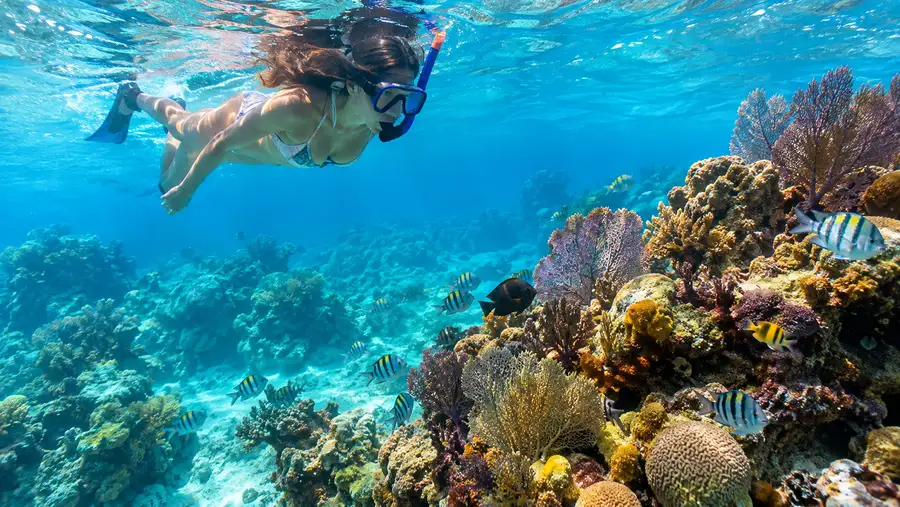
The health of reefs in puerto rico is facing serious tests. Stony coral tissue loss disease has swept through sections of the Caribbean over recent years, impacting pillar and maze corals. Warming ocean temperatures have also caused sporadic bleaching events along shallow shelves. When you explore these areas, your presence should leave zero footprint behind.
- Wear physical sun protection: Long-sleeve rash guards with UPF 50 ratings cut down on the need for sunscreens that leach harmful oxybenzone into the water.
- Keep your fins up: Kicking sand or silt over live coral polyps suffocates them; keep your body horizontal and maintain a steady flutter kick well off the bottom.
- Never touch or stand: What looks like inert rock is a living colony of microscopic animals that took hundreds of years to grow to that size.
- Watch for sea urchins: Long-spined black sea urchins love shallow crevices; accidentally stepping on one will ruin your vacation in a split second.
Local conservation groups and universities are currently outplanting staghorn and elkhorn fragments across sites in Culebra and Vega Baja. You might spot these nurseries underwater, looking like PVC trees or submerged metal frames with young coral fragments tied to them. Give these restoration areas plenty of room so the juvenile colonies can cement themselves to the sea floor.
Frequently Asked Questions about reefs in puerto rico
Does Puerto Rico have coral reefs you can swim to from the beach?
Yes, several top spots require no boat at all. Steps Beach in Rincón has an expansive elkhorn coral reef starting just 30 feet from the shoreline during summer months. Carlos Rosario on Culebra and Mosquito Pier on Vieques can also be reached straight from the shore.
What is the best time of year to explore Puerto Rico reefs?
Summer between May and September brings the calmest seas and best water clarity island-wide, especially on the west and north coasts. In winter, heavy swells roll into the Atlantic side, making the protected southern Caribbean cays around La Parguera your safest option.
Do I need a wetsuit to snorkel or dive the outer reefs?
No, the water temperature rarely drops below 78 degrees in winter and hovers around 84 degrees during late summer. A rash guard is plenty for warmth, sun protection, and a barrier against occasional jellyfish stings.
Quick Reference
- Best shore reef: Steps Beach, Rincón (summer only)
- Top boat charter destination: Culebra & Cayo Luis Peña
- Calmest year-round water: La Parguera mangrove cays
- Best deep visibility: Desecheo Island (often 100+ feet)
Book your snorkeling in puerto rico experience:
Before You Pack the Fins
San Juan gives you a fun taste of the tropics, but the real heart of Puerto Rico marine life beats out on the reefs fringing the southern mangrove cays and eastern islands. Rent a reliable car, throw your mask in a daypack, and head for the coastlines where the tour buses never bother to go. The underwater scenery out there will completely change how you picture this island.
Read more about snorkeling in puerto rico.