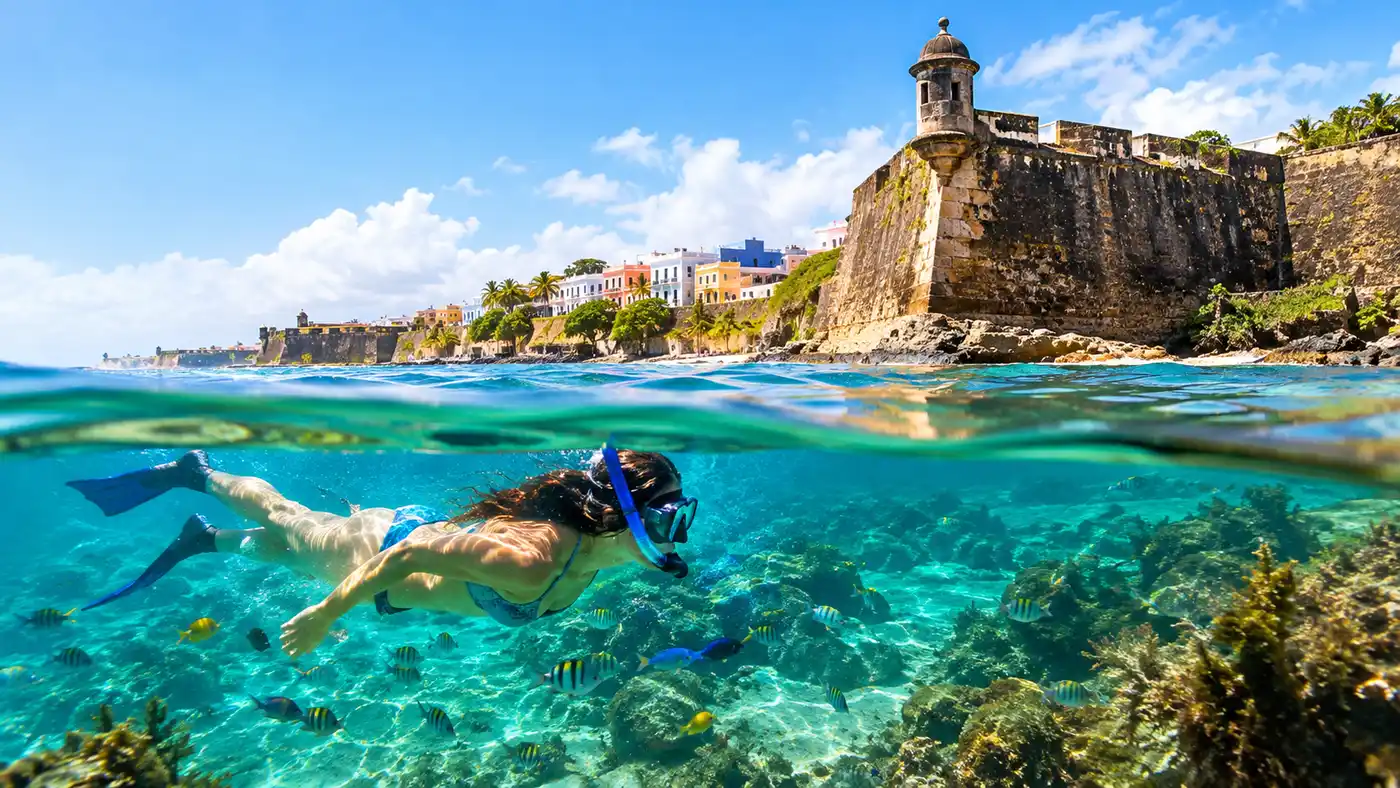
Snorkeling in Old San Juan History Meets the Reef
Most people visit the historic district for blue cobblestones and centuries of colonial fortresses, but planning a trip around snorkeling old san juan reveals a wilder side of the city. Just steps away from five-hundred-year-old masonry walls, the Atlantic Ocean collides with limestone shelves and seagrass meadows. You can literally walk through stone bastions in the morning, grab an iced espresso, and submerge your face in warm salt water by early afternoon.
Old San Juan itself perches on a narrow, rocky islet. Because open ocean surf hammers its northern cliffs, you cannot simply toss a mask on anywhere along the sea walls without getting swept away. Still, right along the entrance gate to the old city and extending east toward Puerta de Tierra, you find accessible, sheltered coves. Whether you are hunting for wild green sea turtles or drifting across artificial reefs, combining heritage sightseeing with underwater exploration turns an ordinary Puerto Rican vacation into something unforgettable.
Book your snorkeling in puerto rico experience:
The Reality of Snorkeling Old San Juan and Nearby Shores
I will be honest: you cannot safely plunge into the churning surf beneath El Morro. The crashing waves against those iconic northern ramparts are notorious for vicious undercurrents. When people talk about old san juan snorkeling, they usually mean the protected fringe reef along the Puerta de Tierra coastline, starting around Balneario del Escambrón and the tiny cove behind the Caribe Hilton.
That eastern stretch forms the actual gateway to Old San Juan. It takes maybe twenty-five minutes to walk there from Plaza Colón, or roughly five minutes in an eight-dollar Uber ride. The waters here are cradled by ancient coral formations and submerged boulders, acting as a natural breakwater against the heavy Atlantic swells. It offers some of the easiest shore-accessible snorkeling in san juan puerto rico, which feels surreal given that modern skyscrapers rise directly behind the palm trees.
The bottom composition changes quickly here. You wade past soft sand into patches of turtle grass, followed by jagged limestone reefs that are home to yellowtail snapper, blue tangs, and sergeant majors. Because it sits right outside the colonial center, you get the unique sensation of floating over brain corals while listening to the distant hum of city traffic and cruise ship horns.
Top Snorkel Spots San Juan Has Near the Colonial Quarter
If you want easy access, you need to understand the geography of the Puerta de Tierra strip. Different access points offer dramatically distinct experiences, especially regarding water clarity and currents.
Pro tip: Arrive at the beach before 8:30 AM on weekdays. The water visibility drops noticeably once afternoon trade winds kick up the sand, and parking fills up fast with local families.
For the undisputed king of local spots, head directly to Escambron Marine Park snorkeling. This crescent-shaped inlet features two distinct sides separated by a rocky coral outcrop. The western side, often called Playa 9, is calm and shallow, making it the favorite grazing area for juvenile green sea turtles. If you head past the rocky spine to the eastern cove, the water deepens to roughly twenty feet, revealing crumbling concrete ruins and the submerged "Atlantis" artificial reef project that scuba schools love to use.
A little further east sits the Condado Lagoon. While not technically Old San Juan, it connects directly beneath the Dos Hermanos bridge. The lagoon features murky water on bad days, but it is the primary home of local West Indian manatees. Drifting along the lagoon edge near the mangroves gives you a shot at seeing these gentle mammals munching sea grass in three to six feet of calm water.
| Snorkel Spot | Distance from El Morro | Typical Depth | Main Underwater Highlight |
|---|---|---|---|
| Escambrón Beach (Playa 9) | 1.8 miles | 4 to 12 feet | Green sea turtles, parrotfish |
| Escambrón Marine Park (East Cove) | 1.9 miles | 10 to 25 feet | Sunken columns, stingrays, squid |
| Condado Lagoon (Bridge Area) | 2.3 miles | 5 to 15 feet | Manatees, spotted eagle rays |
| Playa Peña (Across from Capitol) | 0.7 miles | 3 to 8 feet | Tide pools, rough coral formations |
Playa Peña deserves a quick mention because it sits directly below the Capitol building on the northern wall of Old San Juan. You can walk right down the stairs. Be warned: this spot is strictly for confident swimmers on ultra-calm summer days. The surge here will drag you into sea urchin-covered coral if you lack proper fins, but on flat days, the rock shelves hold dozens of reef crabs and juvenile barracuda.
Marine Encounters: Turtles, Corals, and Sunken History
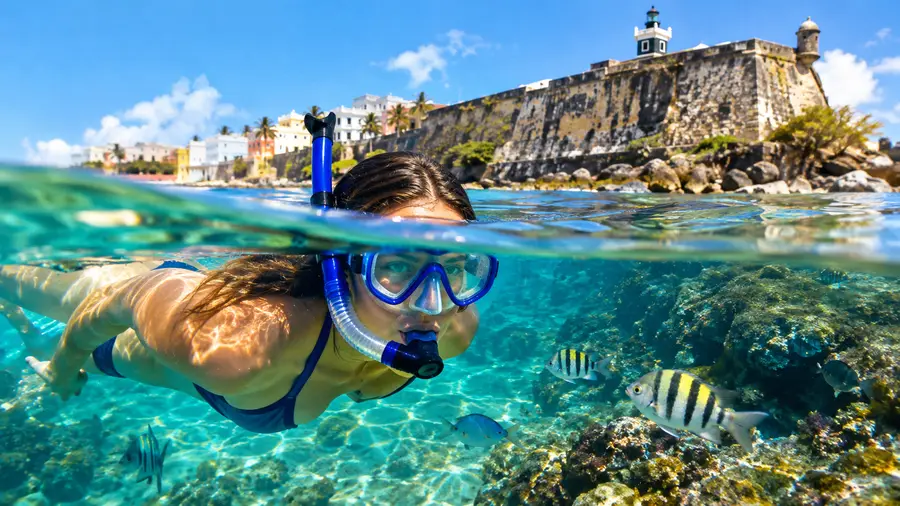
When you slip into the water for a session of san juan snorkeling, the variety of wildlife catches people off guard. You are practically downtown, yet you are swimming next to thriving marine systems. The resident green turtles are accustomed to humans, often munching seagrass unbothered while snorkelers hover three feet above them. Of course, remember never to reach out and touch them - it stresses them out, and local federal regulations carry steep fines for harassment.
Note: Sea urchins cluster thick along the shallow rock barriers at Escambrón. Never put your feet down on dark, rocky patches without looking closely, even if you are wearing booties.
Beyond the turtles, schools of Caribbean reef squid hover in loose formations near the surface. They tilt their bodies, shimmer through iridescent greens and deep coppers, and watch you with unsettlingly clever eyes. If you look into the crevices of the limestone, you will likely spot spotted moray eels hiding their snouts among sea fans. If you want to spot larger sea creatures without swimming far out, check out this guide on snorkeling with turtles in San Juan for exact navigation tips.
Book your snorkeling in puerto rico experience:
Planning Your Snorkel in San Juan: Practical Logistics
Fitting a reef trip into an itinerary focused on forts and rum requires a little tactical planning. The sun hits hard by midday, turning the black stone ramparts of the forts into baking ovens, so your best move is balancing water time with historic touring.
- Morning gear pickup: Grab mask and fins from local surf shops near Condado or Puerta de Tierra early, since beachside kiosk inventory runs thin by 11:00 AM.
- Storage and security: Leave heavy camera bags and passports at your hotel; use small dry bags you can tow in the water, or rent a two-dollar locker at the Escambrón bathhouse.
- Post-swim refreshment: Rinse off at the beach showers and grab fresh coconut water or fried alcapurrias from the row of small food kiosks behind the park.
- Afternoon pacing: Keep your afternoon open for wandering shady side streets like Calle del Sol, where ocean breezes sweep down the alleys.
Water temperatures hover comfortably around 79 degrees in January and peak near 84 degrees in September. You definitely do not need a wetsuit for thermal warmth, though a rash guard saves your back from the blistering tropical sun. Finding solid snorkel gear rental in San Juan is straightforward, with typical daily rates running around $15 to $22 for a complete set of fins, silicone mask, and dry snorkel.
Safety Advice for Snorkeling in Puerto Rico San Juan
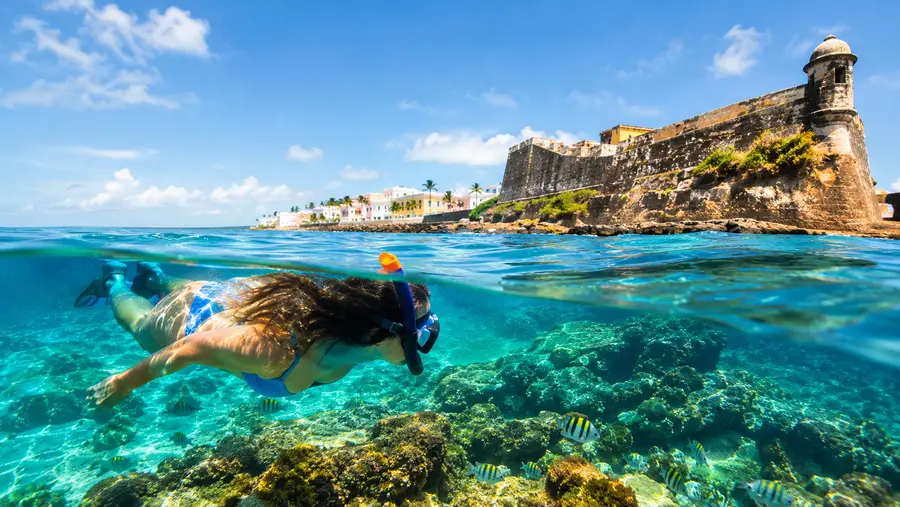
The Atlantic side of Puerto Rico commands respect. The North Shore sits directly in the path of open-ocean winter swells generated by northern storms. From November through March, massive waves create dangerous rip currents along unprotected beaches. Even in the sheltered coves of Escambrón, strong tidal pull can develop along the outer reef gaps during high tide shifts.
- Observe the flags: Red flags mean stay on the sand; even if the cove looks manageable from shore, cross-currents can exhaust you quickly.
- Stay inside the breakers: Never swim beyond the stone breakwater columns into the open sea, where recreational boat traffic and heavy surge dominate.
- Buddy system: Always swim with a partner, especially near submerged masonry where visibility can suddenly drop to five feet when waves stir up sediment.
If the ocean looks rough or murky around the city, do not force it. You can easily pivot to snorkeling near san juan puerto rico by driving east toward Fajardo or south toward the calmer Caribbean Sea beaches, where conditions are often glass-flat while San Juan gets battered.
Frequently Asked Questions about snorkeling old san juan
Can you snorkel directly off the walls of El Morro?
No, swimming or snorkeling near El Morro and Castillo San Cristóbal is extremely dangerous due to violent breaking waves, sharp submerged rocks, and strong open-ocean rip currents.
Are there sea turtles near Old San Juan?
Yes, green sea turtles graze consistently on the seagrass beds inside the protected coves of Escambrón Marine Park, roughly one mile east of the Old San Juan district.
Do I need to book a guided tour to snorkel here?
Not necessarily. Escambrón Beach is a public marine park where you can easily walk into the water from the sand with your own gear, though a guide is helpful for finding the submerged ruins.
Quick Reference
- Location: Puerta de Tierra & Escambrón Beach
- Cost: Free public access; $5 parking fee
- Top Wildlife: Green sea turtles, stingrays, squid
- Best Season: May through September for calmest seas
Book your snorkeling in puerto rico experience:
My Take
Spending a morning exploring beneath the surface completely flips your perspective on the old walled city. Pack your mask alongside your walking shoes, hit the cove right when the sun comes up, and enjoy one of the weirdest and coolest contrasts the Caribbean has to offer.
Read more about snorkeling in puerto rico.