Isla Verde Snorkeling What You Need to Know
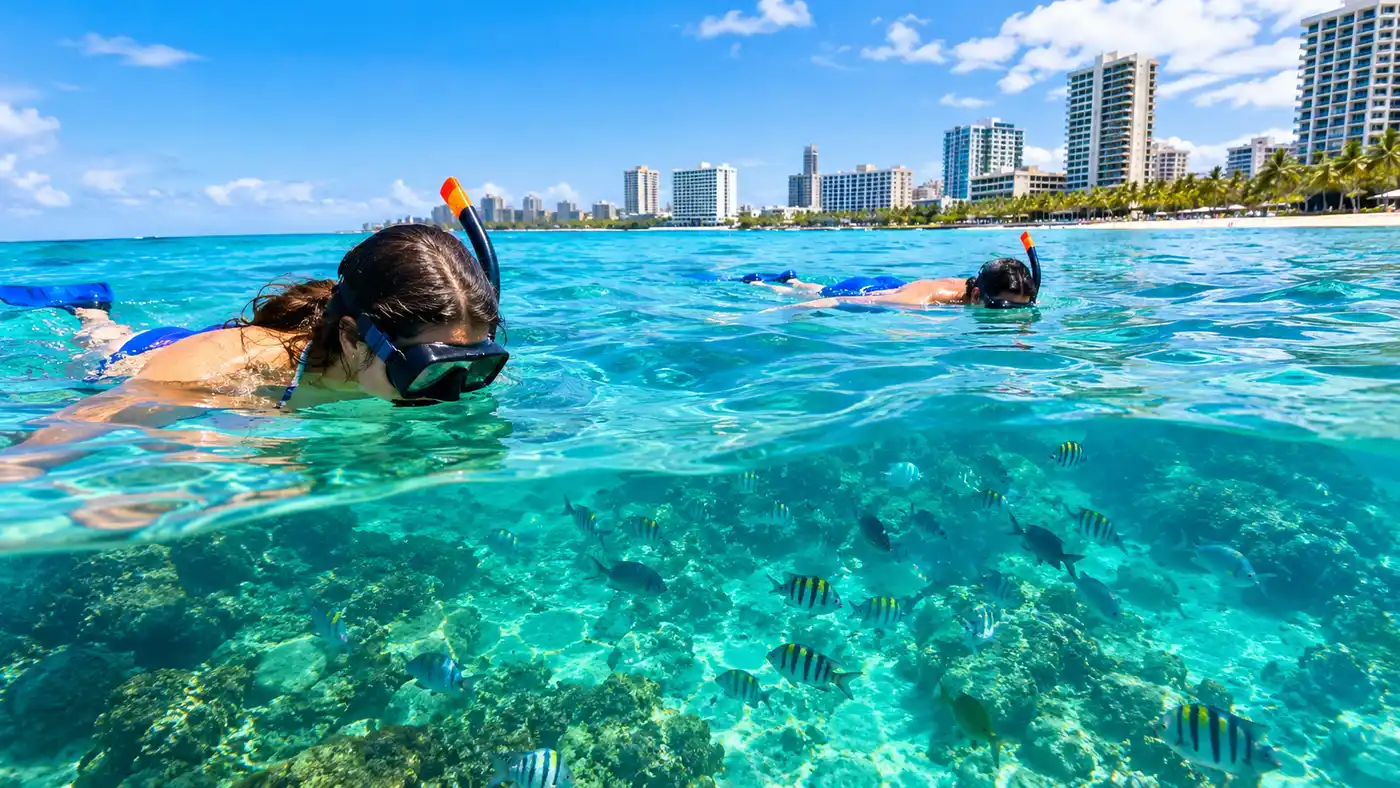
Most people land at Luis Muñoz Marín airport, grab an Uber, and drop their bags at a high-rise resort within twenty minutes. You step out onto the sand, look at that brilliant blue water, and wonder if you can just toss on a mask and find a reef. When it comes to isla verde snorkeling, the answer is yes, but with some very real asterisks. The water looks inviting everywhere, yet the coastline here is surprisingly moody.
I spent several days walking these sands, talking to local lifeguards, and kicking out past the break to see what actually lives beneath the surface. Isla Verde in English translates directly to "Green Island", referring to the small, rocky islet sitting just off the shore. If you are hunting for things to do San Juan style and want an honest breakdown of the conditions, marine life, and exact locations where swimming makes sense, here is what you should expect before getting wet.
Book your snorkeling in puerto rico experience:
Understanding the Waters: Isla Verde Beach Snorkeling Realities
Isla Verde PR is divided into three distinct coastal stretches: Pine Grove, Alambique, and Balneario de Carolina. Pine Grove sits to the east and gets a lot of beginner surfers because the waves break nicely over a sandbar. You do not want to snorkel there. The sand churns endlessly, and you will see about two inches in front of your face.
Alambique, right in the middle, has wider sand and calmer patches, but jet skis zip around further out. Balneario de Carolina is generally the safest for casual swimming because it has an offshore natural reef that knocks down the Atlantic swells. If you want any visibility at all for snorkeling in Isla Verde Puerto Rico, you need to head toward the rocky outcrops near the namesake islet or stick behind that protective reef barrier at the Balneario.
Note: Red flags go up frequently along this coast during winter months when northern Atlantic swells roll in, creating dangerous rip currents that make swimming reckless.
Honestly, the open ocean along San Juan Puerto Rico snorkeling zones is rougher than the Caribbean side down south. The Atlantic is relentless. On calm summer mornings, you might get fifteen feet of visibility near the rocks. In December? You might be lucky to get four feet. If conditions look churned up, save your energy and check out our honest guide on is there good snorkeling in San Juan honest reviews before walking in with fins.
The Best Snorkel Spots Isla Verde Has to Offer
Finding decent snorkel spots Isla Verde visitors can safely reach without a boat requires some footwork. The main attraction is the rocky key itself, Cayo Caribes, which locals simply call Isla Verde. It sits roughly 200 yards offshore. Swimming all the way out there from the beach is only for very strong swimmers wearing fins, because the current between the shore and the cay can pull sideways fast.
A much calmer alternative is the eastern curve of Balneario de Carolina. Walk all the way down past the public gazebos until you see the dark water patches. Those dark patches are sea grass beds and ancient submerged rock shelves. It was built up by natural coral over centuries, though much of the outer edge is dead rock now. Still, sea life hugs these structures tightly.
Pro tip: Enter the water around 7:15 AM before the trade winds kick up the chop and resort catamarans start stirring the bay.
Here is where you can realistically try your luck without booking an offshore boat:
- Cayo Caribes (The Green Cay): Best sea life density, but requires calm seas and solid swimming endurance.
- Balneario Coral Shelf: Sheltered water, easy walk-in entry, best for spotting juvenile reef fish and stingrays.
- Punta Las Marías border: Rocky fingers creating small pools, decent for spotting sea urchins and crabs at low tide.
Marine Life: What You Will Actually See
Do not expect pristine, technicolor coral gardens right off the resort strip. That is the truth. If you want untouched brain coral heads the size of small cars, you need to look at other Puerto Rico islands like Vieques or take day trips out to Culebra. What you will find here is resilient, urban-adjacent sea life that has adapted to coastal traffic.
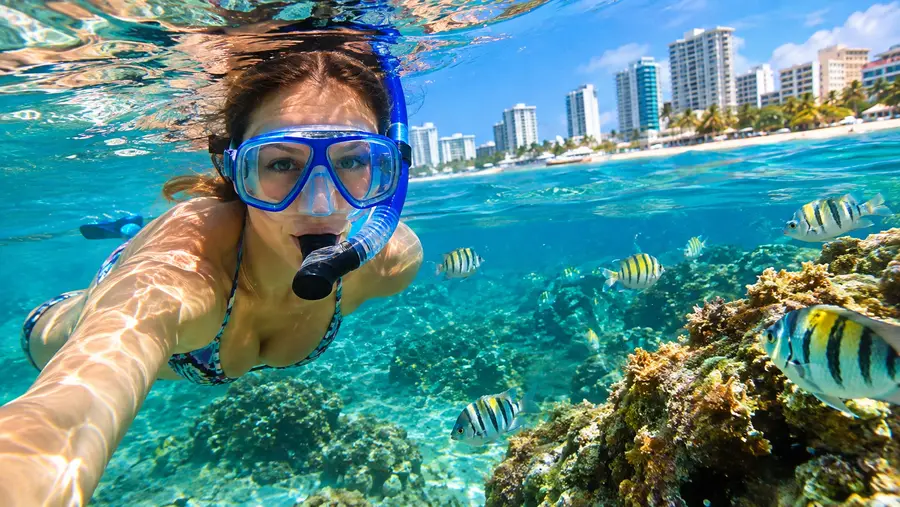
Around the rocks near Cayo Caribes, yellowtail snapper dart around constantly. You will bump into sergeant majors - those bold little black-and-yellow striped fish that swim right up to your mask thinking you have bread. Blue tangs cruise in small schools over the algae-covered slabs. Occasionally, a southern stingray glides across the white sandy channels, burying itself until only its eyes poke out.
Green sea turtles do feed on the sea grass meadows near Carolina, especially early in the day. Watching a three-hundred-pound turtle surface for air against a backdrop of distant high-rise hotels is surreal. If swimming with wild reptiles is your primary travel goal, read our guide on snorkeling with turtles in San Juan best spots tours to compare this beach with the sheltered harbor bays nearby.
Book your snorkeling in puerto rico experience:
Comparing Beach Access and Snorkeling Conditions
Every pocket of this coast behaves differently depending on the wind and sand shelf structure. If you are deciding where to base your beach day, here is how the three main zones compare:
| Zone | Entry Type | Typical Visibility | Crowd Level |
|---|---|---|---|
| Balneario de Carolina | Gradual sand slope | 10 to 18 feet | Moderate on weekdays |
| Alambique Beach | Steep sand ledge | 5 to 12 feet | High near hotel bars |
| Pine Grove | Flat sandy bottom | 2 to 5 feet | Surfers and lessons |
If you find that the open surf is too aggressive on the day you plan to go out, you can pivot easily. The entire metro area has varied water access, and you can explore the best options on our isla verde snorkeling portal to see what other bays are sheltered from the wind today.
Safety, Gear, and Tours: Is Isla Verde Safe?
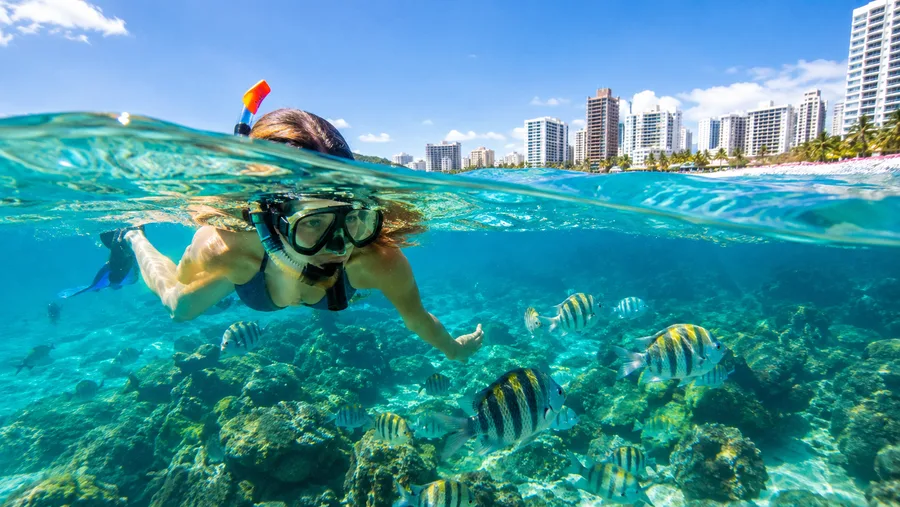
People constantly ask: is Isla Verde safe? On land, the hotel strip along Avenida Isla Verde is bustling, heavily patrolled, and generally comfortable to walk around late into the evening. In the water, safety depends entirely on your respect for the ocean. The Atlantic swell produces shore break that can knock you flat on your knees if you try to put fins on while standing in the surf.
Always put your fins on once you are floating backwards in waist-deep water. Never turn your back on incoming sets. Also, watch out for motorized water sports. Jet ski operators launch right off Alambique, and while they are supposed to stay in designated channels, boaters do not always look for a tiny black snorkel tube sticking out of the chop. A bright neon dive buoy is worth every penny here.
When it comes to guided outings, dedicated snorkel tours Isla Verde companies run right off the sand are rare because of the unpredictability of the surf. Instead, most local operators run their boats out of nearby marinas toward smaller offshore reefs, or they transport guests twenty minutes west to protected harbor parks. If you are packing for the trip, keep these practical necessities in mind:
- A high-visibility swim buoy: Keeps you visible to jet skis and motorized catamarans.
- Short travel fins: Long free-diving blades are clumsy in the shallow shore break.
- Defogger solution: High humidity means your mask fogs up within three minutes without it.
- Reef-safe mineral sunscreen: Chemical sunscreens bleach local marine habitats and are heavily discouraged across PR.
People sometimes ask about bioluminescent beaches Puerto Rico travelers talk about, wondering if Isla Verde glows at night. It does not. Bioluminescence requires enclosed lagoons with zero ocean swell and high mangrove concentrations, like Mosquito Bay or Laguna Grande out in Fajardo. Isla Verde is strictly an open-ocean, sunlit environment.
Frequently Asked Questions about isla verde snorkeling
Can you snorkel right off the beach at Isla Verde?
Yes, but only safely when the Atlantic ocean is calm, specifically around the rocky islet of Cayo Caribes or the far eastern reef shelf near Balneario de Carolina. High surf frequently ruins visibility.
What does Isla Verde mean?
Isla Verde meaning is literally "Green Island" in Spanish. The name originated from the small, vegetation-topped rocky islet located just off the shoreline near the Ritz-Carlton area.
Are there sea turtles at Isla Verde Beach?
Yes, green sea turtles feed in the shallow sea grass meadows off Carolina Balneario, although sightings are less predictable here than in protected harbor preserves like Escambrón.
Quick Reference
- Entry: Free public beach access via Balneario or street gates
- Best visibility window: May through September, early mornings
- Average water temperature: 81°F year-round
- Skill level required: Intermediate to advanced due to swell
Book your snorkeling in puerto rico experience:
My Take
If you are staying at an Isla Verde resort, by all means, toss your mask into your beach bag. Take a stroll down toward the reef break at Carolina early in the morning, drink a cold fresh coconut from a roadside vendor, and paddle around the inner shallows before the afternoon winds pick up. If the ocean conditions do not cooperate, do not force it. Grab an inexpensive ride over to San Juan's sheltered marine reserves where the water stays glass-flat, and let Isla Verde simply be what it does best: a gorgeous stretch of warm sand to unwind on.
Read more about snorkeling in puerto rico.