Exploring the Marine Life Around San Juan
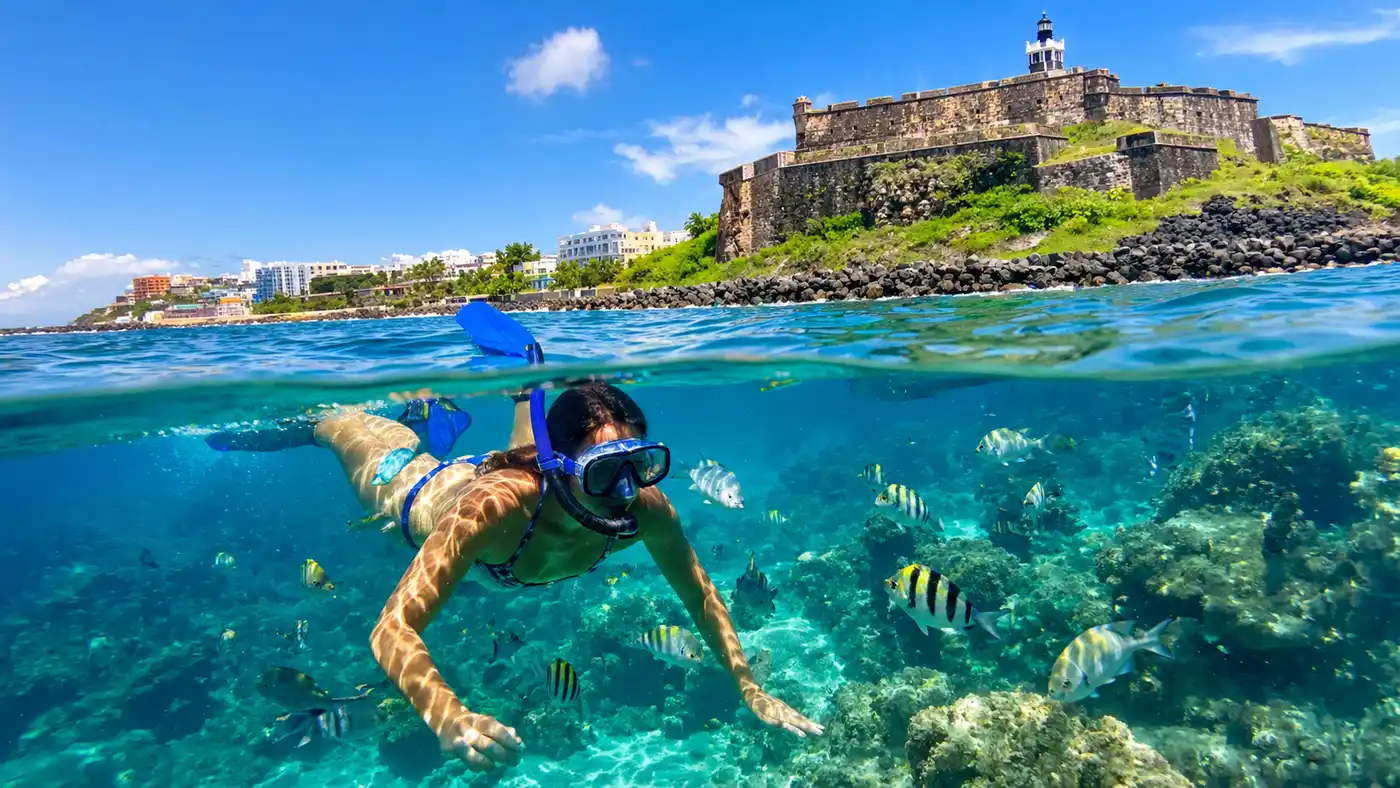
Most visitors know San Juan for its cobbled blue streets, historic fortresses, and rum cocktails, but step right off the sand into the Atlantic and you quickly find a completely different world. The richness of the marine life in puerto rico surprises people who expect empty urban waters, especially because you barely have to swim fifty feet from the city sidewalks to find wild sea turtles and shifting schools of blue tang. You just need a mask, some fins, and an idea of where the reef systems actually sit.
The capital sits on an ecological boundary where the open North Atlantic crashes against sheltered lagoons and rocky coves. Whether you want to drift over shallow seagrass beds, watch stingrays glide across sand flats, or seek out sunken statues covered in brain coral, this guide covers what swims beneath the surface, where to look, and what you can skip.
Book your snorkeling in puerto rico experience:
What Lies Beneath: Sea Animals in Puerto Rico Waters
The sheer variety of ocean animals in puerto rico makes shore diving and snorkeling around the north coast fun. If you head to the reefs right off the beaches, the first creatures you meet are damselfish. They are tiny, wildly territorial, and will literally charge your mask if you hover too close to their patch of algae. Parrotfish crunch audibly on coral heads nearby - you can actually hear their beaks grinding underwater - while yellowtail snappers hang suspended in the water column waiting for handouts from local dive shops.
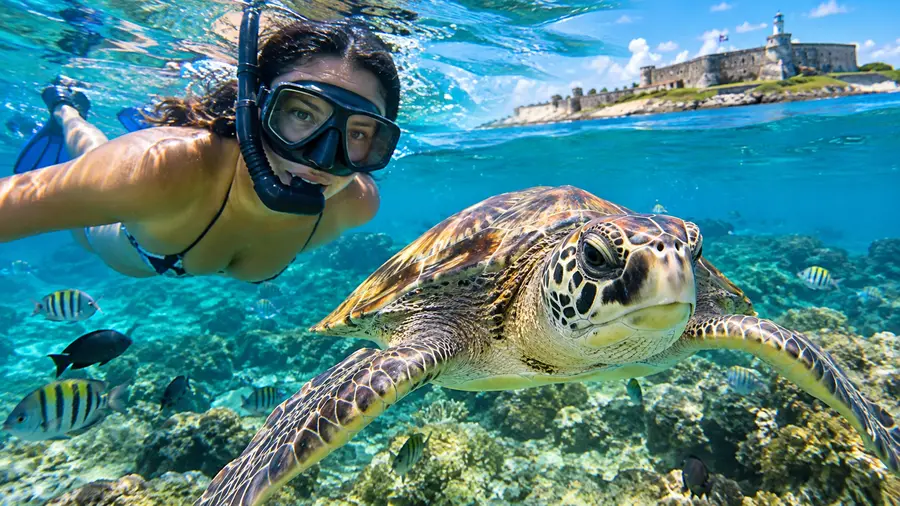
Green sea turtles and hawksbills are regular residents here. You will spot green turtles grazing on seagrass in calm bays, their heads bobbing above the surface every few minutes to draw air. Hawksbills prefer the rockier drop-offs where sponges and soft corals grow. Spotted eagle rays and southern stingrays are also common, often buried completely under the sand with only their dark eyes poking out. I once spent twenty minutes watching a spotted moray eel hunt among concrete blocks, opening its jaw repeatedly just to breathe, looking fierce even though it completely ignored me.
Invertebrates make up a huge part of the local marine life. You will notice long-spined black sea urchins tucked into limestone crevices everywhere. Spiny lobsters wedge themselves into holes during bright daylight, their long white antennae flicking out into the open water to monitor your approach. Octopuses are here too, though spotting one takes real patience because their camouflage mimics dead coral and rough limestone so convincingly.
Note: Keep a clean distance from sea urchins puerto rico waters hold in abundance; their brittle black spines punch right through thin water shoes and will ruin your vacation in seconds.
Top Inshore Spots for Snorkelers and Divers
You do not need to book an expensive boat charter to find a vibrant coral reef in puerto rico. Two primary locations in the city center deliver reliable sightings straight from public shores. Balneario del Escambrón remains the undisputed favorite for both beginners and experienced free divers, sheltered behind natural rock breakwaters that blunt Atlantic swells.
For anyone planning their days in the water, check out our guide on Escambron marine park to understand entry points before you drag gear across the sand. The protected beach cove has calm, shallow water where juvenile fish hide, while swimming around the outer point takes you over deeper ledges with schooling barracudas and passing turtles.
Pro tip: Arrive at Escambrón by 7:30 AM before open-water training classes churn up the bottom sand and kill your visibility.
Condado Lagoon offers a different habitat altogether. This brackish coastal lagoon connects to the ocean under several bridges, creating a calm nursery for juvenile fish, spotted eagle rays, and a resident herd of Antillean manatees. The marine life Condado Lagoon shelters is unique because the bottom consists mainly of muddy silt and lush seagrass instead of hard corals. If you want a quick primer on paddling or drifting there, read our Condado Lagoon snorkeling guide before setting out.
| Snorkel Spot | Entry Type | Depth Range | Main Sightings |
|---|---|---|---|
| Balneario del Escambrón | Sandy beach | 4 - 28 feet | Green sea turtles, blue tangs, damselfish, squid |
| Condado Lagoon | Kayak launch / rocky edge | 3 - 35 feet | Manatees, spotted eagle rays, starfish, mangrove snappers |
| Playita del Condado | Small sandy cove | 3 - 12 feet | Sergeant majors, juvenile reef fish, sea urchins |
| Isla de Cabras | Rocky shoreline | 6 - 20 feet | Parrotfish, moray eels, soft gorgonians |
Are There Sharks in San Juan Puerto Rico?
Everyone asks about sharks. The simple answer is yes: there are sharks in San Juan waters, just as there are sharks in any healthy tropical marine environment. Nurse sharks are the ones you will actually encounter on shallow reefs. They spend daylight hours resting quietly on sandy bottoms or tucked under coral ledges, breathing by pumping water over their gills while lying motionless. They are bottom-feeders, generally docile, and reach lengths of five to eight feet.
Pelagic species like reef sharks, blacktips, and hammerheads patrol the open ocean outside the reef crest, but they rarely venture into shallow public swimming areas. Caribbean waters around the city are not dangerous hunting grounds for aggressive sharks. The reef barrier creates a natural buffer that keeps large predators out in the deep blue trench where open-water currents churn. You are honestly far more likely to get bruised by a rough ocean swell pushing you onto fire coral than you are to even glimpse a predatory shark near the shore.
Book your snorkeling in puerto rico experience:
Essential Etiquette and Safe Exploration
Reef health relies on careful behavior from visitors. Puerto Rico's reef ecosystems face rising water temperatures and heavy shore runoff, making fragile hard corals fragile and vulnerable to human clumsiness. When exploring marine life in puerto rico, your fins should never touch the bottom, even if you feel tired or need to clear your mask. Tread water or flip onto your back to rest instead of standing on living structures.
- Wear reef-safe mineral sunscreen: Chemical sunscreens with oxybenzone poison coral polyps, so pick non-nano zinc oxide formulas instead.
- Give sea turtles at least 10 feet of space: Harassing, chasing, or touching a green sea turtle violates strict federal laws carrying hefty fines.
- Watch out for fire coral: Mustard-colored growth on rocky edges causes intense stinging rashes if brushed by bare skin.
- Track ocean flags: Red flags mean heavy Atlantic undercurrents that can pull you beyond the safety of the outer reefs.
If you want to view sea creatures without getting wet, you will not find a commercial san juan aquarium in the city center anymore. Skip looking for one. Instead, walk down to the piers near Old San Juan during dusk, where harbor lights illuminate tarpon weighing over 80 pounds rolling near the surface, feeding on baitfish in the murky green tide.
Seasonal Conditions and Visibility
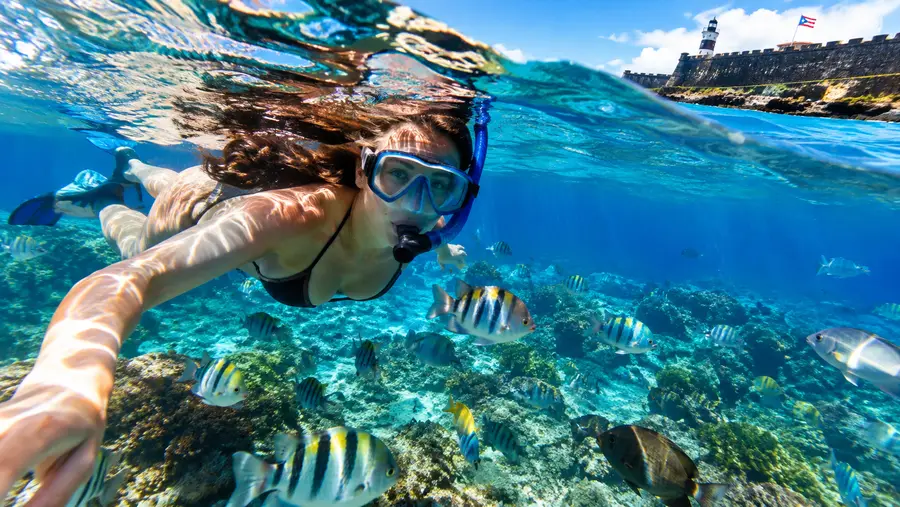
Visibility along the northern coast changes drastically depending on trade winds, ocean swells, and inland rainfall. Winter brings massive North Atlantic swells that surfers adore but snorkelers dread. Between December and March, heavy breaking waves stir up nearshore silt, dropping visibility down to five feet or less along exposed stretches like Ocean Park and Condado Beach. During these winter months, Escambrón stays the only reasonably clear spot due to its protective wall.
Summer brings glass-calm seas and crystal clarity, with visibility reaching 30 to 45 feet on good mornings. Water temperatures linger around a warm 84 degrees Fahrenheit, letting you stay submerged for two hours without getting chilly. The downside to late summer is sudden tropical downpours that wash river runoff into San Juan Bay, turning the harbor murky for a day or two after heavy rainfall.
Quick Reference
- Best visibility: May through September
- Average water temperature: 80 to 85°F
- Common species: Green turtles, nurse sharks, rays
- Protected spot: Escambrón Marine Park
The Bottom Line
You do not need an offshore expedition to see wild tropical animals in the Caribbean. San Juan lets you throw on a cheap mask, stroll down from your hotel room, and float eye-to-eye with wild sea turtles before breakfast. Respect the reefs, watch the currents, and take time to look closely into the limestone crevices where the city's marine wonders actually live.
Book your snorkeling in puerto rico experience:
Frequently Asked Questions about marine life in puerto rico
What body of water is San Juan Puerto Rico on?
San Juan sits on the North Atlantic Ocean, with the sheltered San Juan Bay and Condado Lagoon creating protected saltwater bodies right along its coastline.
Can you see manatees in San Juan?
Yes, Antillean manatees live inside Condado Lagoon year-round, feeding on seagrass beds and surfacing every few minutes for air.
Is snorkeling safe at Condado Beach?
No, open Condado Beach has strong undertows and heavy shorebreak; snorkel instead at Playita del Condado or Balneario del Escambrón nearby.
Read more about snorkeling in puerto rico.