Condado Lagoon Snorkeling a Beginners Paradise
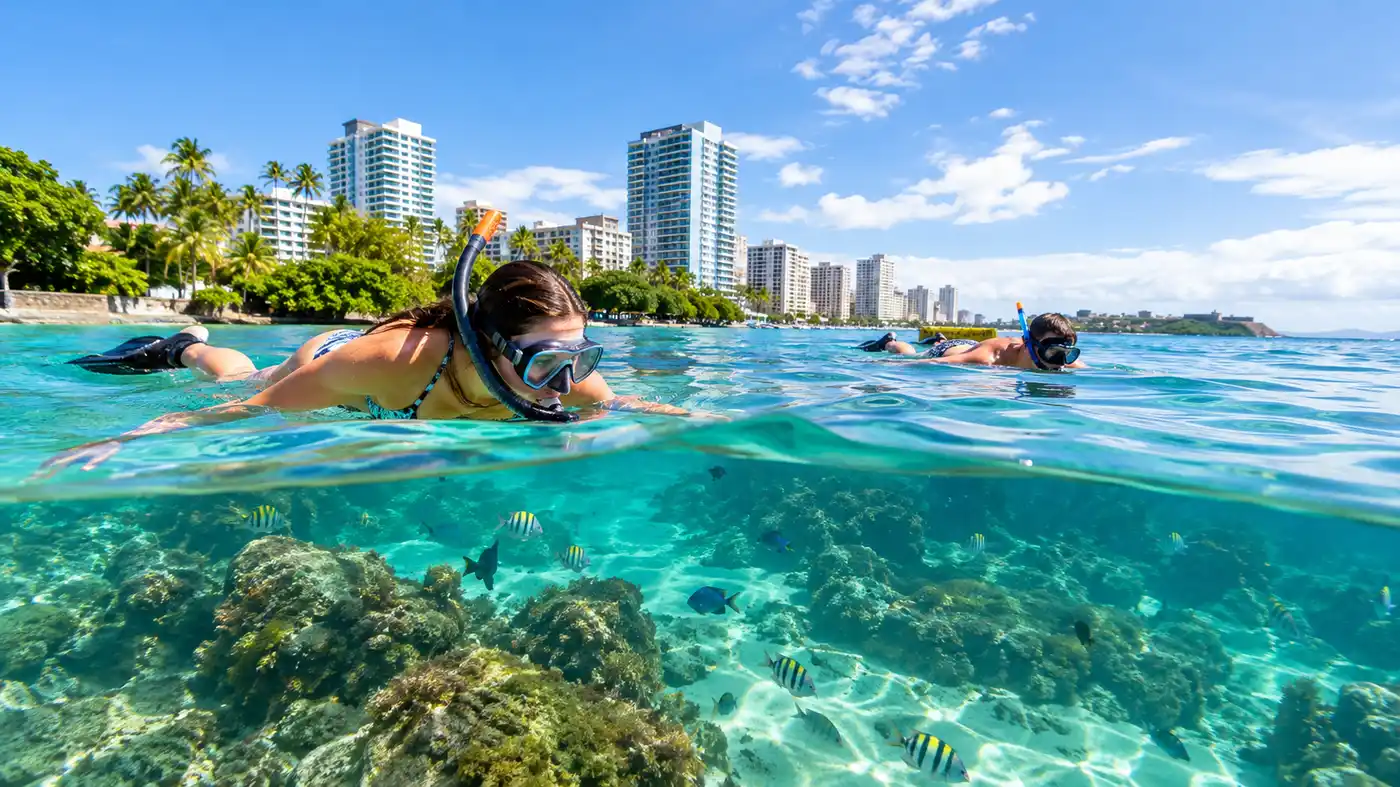
Most travelers walk straight past the water on Ashford Avenue and never look down. They see high-rise hotels, luxury boutiques, and the rough Atlantic surf crashing into the reef just offshore. But tucked immediately behind that urban strip sits the Jaime Benítez National Park and the quiet, glassy expanse of Laguna del Condado. For anyone testing the waters with a mask and fins for the first time, condado lagoon snorkeling offers the calmest, most forgiving introduction to Caribbean waters you will find in Puerto Rico.
I tell nervous swimmers all the time that ocean swimming can be overwhelming in San Juan. Condado Beach waves are notoriously fierce, rip currents are common, and the open Atlantic does not care if you drop your rented snorkel. The lagoon is the exact opposite. It is an urban natural reserve with almost zero swell, shallow entry points, and an ecosystem that holds its own surprises, including grazing manatees and spotted eagle rays. Here is everything you need to know about navigating the water, dodging the crowds, and seeing the marine life hidden right beneath the city line.
Book your snorkeling in puerto rico experience:
Why Condado Lagoon Snorkeling Beats the Open Ocean for New Swimmers
The Atlantic side of Condado is famous, but you should not swim there. Condado Beach has powerful undertows that catch tourists off guard every single week. Red flags fly on the sand for good reason, and it is ranked among the most dangerous beaches on the north coast. If you are asking yourself "can you swim at condado beach," the short answer is usually no, unless you stick to the protected pocket known as Playita del Condado right by the bridge.
Walk about 200 yards south, however, and the water turns into a sheet of glass. The San Juan lagoon functions like a massive saltwater nursery. Because it connects to the sea through narrow channels beneath the Dos Hermanos Bridge, ocean water flushes through without bringing heavy breakers with it. You can wade in from small sandy patches along the southern path, kick out 15 yards, and simply float without fighting a current.
The depth is predictable, too. Most sections near the pedestrian walkways sit between 4 and 10 feet deep, though central boat channels drop down to around 30 feet. If you are searching for beginner snorkel spots San Juan has tucked away, this tranquil reserve lets you adjust your mask, spit on your lenses, and practice your breathing without salt spray slapping you in the eyes every five seconds.
Pro tip: Enter the water directly behind the Jaime Benítez park track on the south side. The bottom there consists of soft sand mixed with seagrass, giving you a clean spot to sit and pull on your fins without stumbling over jagged rock.
Marine Life Condado Lagoon: What Lives Beneath the City
People assume that because the lagoon borders Santurce and high-traffic avenues, the marine environment must be dead. That could not be further from reality. Seagrass meadows blanket the floor, creating an ideal grazing pasture for the Antillean manatee. Puerto Rico has a fragile population of these gentle creatures, and the lagoon is one of the most reliable places on the entire island to catch sight of them coming up for air.
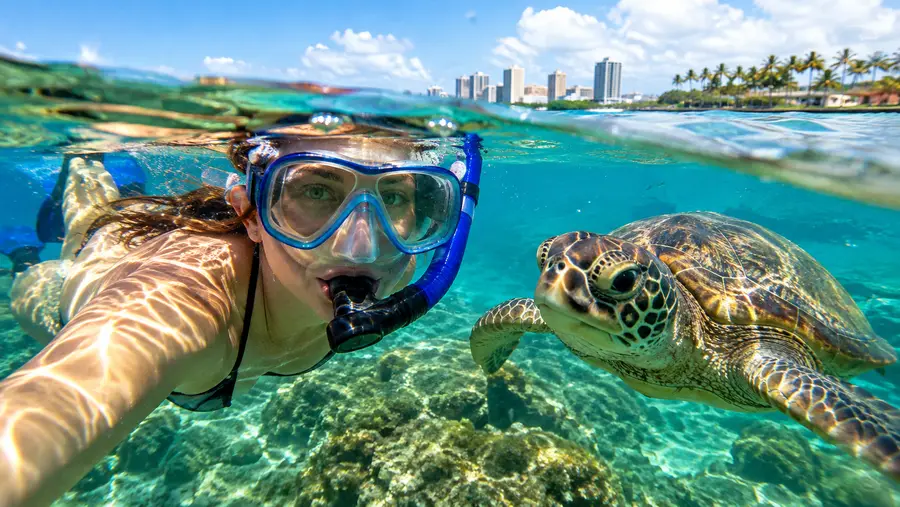
Beyond manatees, the bridge pilings and artificial reef structures attract a wide cast of Caribbean characters. You will regularly run across green sea turtles chewing on the bottom grasses, juvenile barracuda hovering like shiny silver needles, and curious sergeant majors darting around the rocks. Keep an eye out for southern stingrays resting half-buried in the sand patches. They blend in completely until their eyes twitch.
If you want a change of pace from lagoon grasses to historic rock formations, you can also look into Escambron Marine Park just five minutes away by car. But for sheer accessibility right out of a hotel door, the marine life in Condado Lagoon holds a unique charm.
- Antillean manatees: best spotted between 6:30 AM and 8:30 AM before motorized paddleboards churn up the sediment.
- Spotted eagle rays: often cruise through the central channel where the tide sweeps in from the Atlantic.
- Green sea turtles: frequent the lush sea grass patches roughly 40 yards off the southern boardwalk.
- Mangrove snappers and damselfish: cluster thickest around the concrete bridge supports and sunken rubble.
Condado Lagoon vs Nearby San Juan Snorkel Sites
Picking the right water depends heavily on your comfort level, gear setup, and what you hope to see. Escambrón offers coral reefs, while Isla Verde delivers long sandy stretches, and the lagoon prioritizes dead-calm surface conditions.
| Snorkel Spot | Water Conditions | Average Depth | Key Wildlife | Best Suited For |
|---|---|---|---|---|
| Condado Lagoon | Glassy calm, no surf | 4 to 12 feet | Manatees, sea turtles, rays | Absolute beginners, nervous swimmers |
| Playita del Condado | Gentle lap, small cove | 3 to 8 feet | Juvenile fish, hermit crabs | Families with very small children |
| Balneario El Escambrón | Mild surge, reef-protected | 6 to 20 feet | Green turtles, blue tangs, soft corals | Intermediate snorkelers, reef lovers |
| Isla Verde Beach | Moderate chop, ocean swell | 5 to 15 feet | Occasional stingrays, small fish | Casual beachgoers, body surfers |
Note: Rain showers in the afternoon wash urban runoff into the lagoon, which cuts visibility down from 25 feet to less than 5 feet within an hour. Aim to wrap up your swim before lunchtime.
Book your snorkeling in puerto rico experience:
Logistics: Gear Rentals, Parking, and Access Points
Getting in is straightforward, but parking can be a headache on weekends. If you are driving, target the public lot at Parque Pasivo Jaime Benítez on Baldorioty de Castro Avenue. It fills up early with local joggers and fitness classes. By 9:30 AM, spaces are sparse, so taking an Uber from your hotel or walking from Ashford Avenue is significantly easier.
For equipment, rental vendors set up shop directly along the waterfront on Calle Laguna. You can pick up a mask, snorkel, and life vest for around $18 for a two-hour block. Stand-up paddleboards and transparent kayaks rent for roughly $30 to $45 an hour. If you already brought your own gear, just use the small sandy launch beach near the paddleboard shacks. It offers the gentlest water entry without requiring you to clamber over slick concrete seawalls.
- Entry fees: completely free public access from the park pathways.
- Rental vendors: open daily around 8:00 AM and pack up near 5:00 PM.
- Restroom facilities: limited public stalls are located near the park entrance, though they close unpredictably.
- Footwear advice: wear water shoes or fin booties to protect your feet against broken shells and occasional urchins.
Safety in the Water and Local Rules
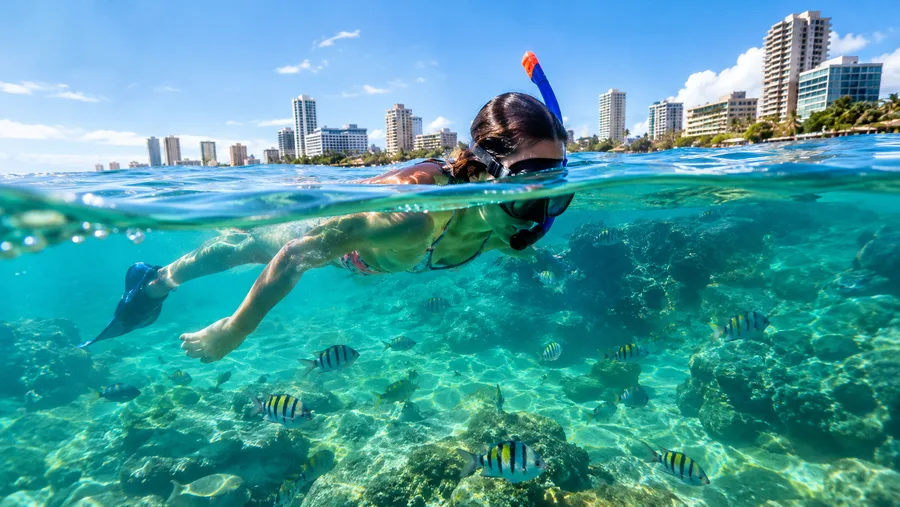
While the lagoon lacks breaking waves, it is still a working body of water shared with leisure boaters. Watercraft like electric foils, paddleboards, and tourist pontoon boats cruise through the deeper corridors. You need to remain alert, especially when swimming away from the shorelines. Wearing a brightly colored snorkel vest or towing an orange swim buoy is an easy way to make sure kayakers do not accidentally run you over.
People often ask about lagoon safety from a biological perspective. Are there sharks? Bull sharks occasionally cruise coastal waters in the Caribbean, but sightings inside this shallow, bustling urban lagoon are practically unheard of. The animals you will encounter here are docile bottom-feeders and curious schooling fish. However, never chase or touch a manatee. They are federally protected under Puerto Rican and US law, and crowding them can trigger hefty fines of up to $50,000, not to mention stressing the animals needlessly.
Treat the lagoon floor with care as well. That thick carpet of seagrass is not just green muck; it is the life support system of the entire reserve. Avoid dragging your fins through it, and try not to kick up the loose silt, which quickly ruins the underwater view for everyone behind you.
Frequently Asked Questions about condado lagoon snorkeling
Is Condado Lagoon safe for swimming and snorkeling?
Yes, the lagoon is one of the safest water bodies in San Juan because it is fully sheltered from Atlantic wave action. There are no breaking waves or ocean rips, making it suitable for children and novice swimmers.
Can you see manatees while snorkeling in Condado Lagoon?
Yes, Antillean manatees reside in the lagoon year-round. Your best odds of spotting them are early in the morning near the seagrass beds, particularly between 7:00 AM and 9:00 AM before human activity picks up.
Do I need to book a guided tour to snorkel here?
Not at all. You can walk into the water from the public shoreline with your own mask and fins at zero cost. Guided tours are great if you want safety supervision or marine biology narration, but they are not required.
What is the underwater visibility like?
Visibility ranges from 15 to 30 feet on calm, sunny mornings. It drops significantly after heavy rainfall or in the late afternoon when wind and paddle sports disturb the fine silt on the bottom.
Quick Reference
- Entry cost: Free public access
- Best entry spot: Jaime Benítez Park beach
- Peak water clarity: 7:00 AM to 10:00 AM
- Typical depth: 4 to 12 feet near shore
- Wildlife: Manatees, green turtles, eagle rays
Book your snorkeling in puerto rico experience:
My Take
If you want jaw-dropping coral gardens with towering sea fans, book a ferry out to Culebra or head southwest toward La Parguera. But if you have two free hours on a Tuesday morning in San Juan and you want to float beside wild sea turtles without dodging ocean breaks, grab your mask and hit the lagoon. It is calm, simple, accessible, and provides the easiest marine adventure the capital has to offer.
Read more about snorkeling in puerto rico.