Capturing Memories Underwater Photography in San Juan
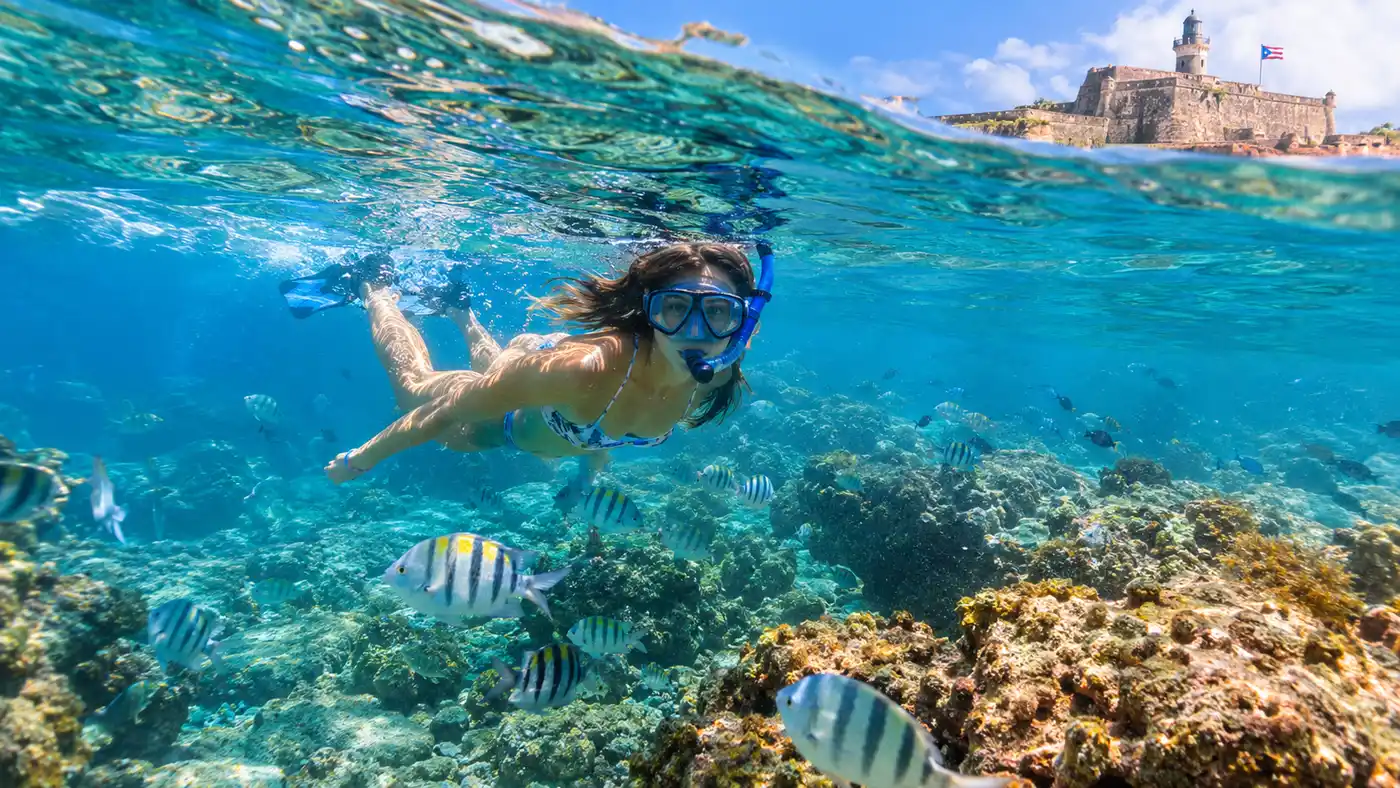
You dip your mask below the surface at Escambrón, kick your fins twice, and there it is: a green sea turtle casually munching on sea grass four feet away. Your instant reflex is to yank out a camera and start mashing the shutter button. Half the time, the photo you review later on the beach looks like a murky green puddle with a dark smudge in the center. I learned the hard way that capturing clear aquatic memories takes a few deliberate adjustments. Following practical underwater photography tips for snorkeling makes the difference between sharing blurry shapes and printing vivid Caribbean reef shots you can hang on your wall.
San Juan sits right on the dynamic line where the Atlantic Ocean meets the Caribbean. You can sip a strong cortado in Miramar at eight in the morning and float above brain coral thirty minutes later. Moving water, floating sand grains, and tropical sunlight demand a different approach than dry land photography. Refraction bends your focal length. Ocean water eats light wavelengths one by one. Once you understand how local currents and daylight behave around the city, your underwater pictures will look crisp, natural, and full of life.
Book your snorkeling in puerto rico experience:
Getting the Lighting Right: Basic Underwater Photography Tips for Snorkeling
Water works like an aggressive blue filter. Sunlight loses its warm spectrum quickly as it travels through the ocean surface. Red is the first color to disappear, vanishing almost completely around ten feet deep. Orange fades out next. By the time you dive down fifteen feet to inspect a stingray, raw ambient light turns everything into shades of cold teal. Snorkelers hold a massive advantage over scuba divers because you stay near the top three to six feet of the water column where natural daylight is strongest.
Timing alters everything in San Juan. The midday sun between 11:30 AM and 1:30 PM pours massive amounts of light into the water, but it also creates dancing light networks across the ocean floor. Those flickering bands of brightness blow out highlights on fish scales and turtle shells. I get my best shots entering the water around 8:15 AM or waiting until roughly 3:45 PM. Morning light cuts through the shallows at a soft angle. The wind is usually calm then, keeping the ocean calm before the afternoon trade winds kick up choppy surface waves that shatter sunlight into messy glare.
Note: Condado Lagoon gets murky fast after heavy rain up in the mountains, so check the sky inland before walking over with your camera rig.
Position your body carefully against the sun. Think of morning sunlight the same way you would during an outdoor portrait session on land. Keep the sun behind your back or off your left shoulder when you want vibrant colors on an angelfish. If you point your lens directly toward the sun, do it on purpose for an artistic silhouette. Framing a free diver or a spotted eagle ray directly beneath the surface sunburst delivers striking contrast, provided you expose for the water surface so your subject becomes a sharp, dark shadow.
Camera Gear That Works Without Breaking the Bank
You do not need an expensive DSLR in a bulky aluminum housing to take great photos here. Dragging heavy camera rigs across public beaches in Puerto Rico is tiring, and it draws unwanted attention on busy stretches of sand. A lightweight setup lets you swim naturally without feeling like a floating film crew.
Action cameras dominate the reefs around the island. Newer GoPro and DJI models handle bright contrast well and slip into a pocket when you need both hands to swim. Keep your camera locked at 4K resolution at 60 frames per second. Snorkeling involves constant movement from swells, fin kicks, and surface chop. Shooting at 60 frames per second lets you pull crisp still grabs from video clips or slow your footage down to eliminate camera shake. Turn off auto-rotation settings so your camera does not flip images upside down when you point your mask toward the sand.
If you prefer dedicated still cameras, the Olympus Tough TG series remains the standard for shallow water. It is waterproof right out of the box down to 45 feet, features an underwater white balance mode tuned for specific depths, and includes a microscope mode that captures coral polyps with incredible detail. Hard-case smartphone housings like the Divevolk SeaTouch are also solid options because they let you use your phone's native wide lenses. Do not trust your daily smartphone to those cheap plastic pouches with rolling clip seals sold at beachfront souvenir shops. One stray sand grain on the seal will flood your phone in three feet of water.
| Camera Option | Depth Rating | Approx. Cost | Color Handling | Portability |
|---|---|---|---|---|
| GoPro Hero 12/13 | 33 ft (no housing) | $350 - $400 | Good auto WB; needs post-tuning | Pocketable |
| Olympus Tough TG-7 | 45 ft (no housing) | $500 - $550 | Exceptional built-in presets | Compact hand strap |
| Divevolk Smartphone Housing | 260 ft | $180 - $220 | Relies on phone sensor quality | Medium pocket size |
| DJI Osmo Action 4 | 59 ft (no housing) | $300 - $330 | 10-bit D-Log M color profile | Pocketable |
Best Places to Take Pictures in San Juan Above and Below the Water
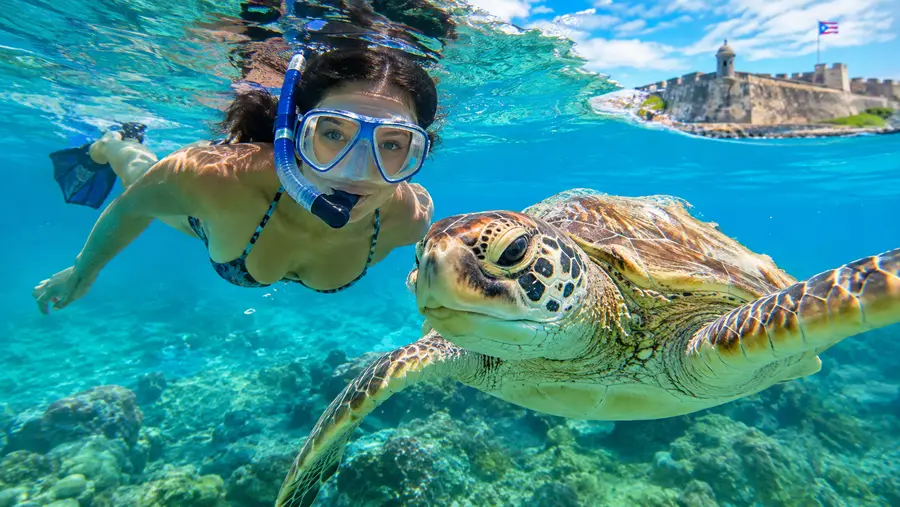
Reef access at Escambron Marine Park offers the easiest conditions for taking underwater photos in the city. The primary cove is protected by ancient coastal rock formations that hold back the Atlantic swell. Depths range from 6 to 18 feet across the main cove, which is deep enough for marine life to congregate while staying shallow enough for strong sunlight. Green sea turtles graze on the sea grass beds here almost every morning, and the bottom is lined with soft corals and concrete reef restoration domes.
Step out of the surf at Escambrón and you are immediately standing in one of the best places to take pictures in san juan from dry land as well. The old stone battery ruins of Fortín de San Jerónimo sit right along the water edge just across the footbridge. You can capture wide reef shots underwater, walk back to your beach towel, dry your hands, and shoot vintage brick walls framed against crashing Atlantic waves within twenty minutes. That mix of military history and wild tropical coast gives San Juan a visual personality you rarely find on quiet resort islands.
Condado Lagoon offers a different backdrop. The water there is greener and calmer because it is an enclosed estuarine system. You come here to photograph West Indian manatees and spotted eagle rays gliding over silt and sea grass. Visibility runs lower than at Escambrón, usually hovering between 15 and 25 feet. Keep your fin kicks gentle and steady. One hard kick down toward the muddy lagoon floor will stir up a thick plume of silt that ruins your photos for the next fifteen minutes.
Book your snorkeling in puerto rico experience:
Composition and Sea Turtles: Underwater Photography Tips for Snorkeling
The most common mistake snorkelers make is floating on the surface and aiming their camera straight down. Taking photos looking directly down flattens your subject against the bottom. The turtle or parrotfish blends into the patterned coral floor, losing all dimension and depth. The entire frame ends up looking like a busy, two-dimensional rug.
Get down on the same eye level as the marine life. Take a breath, kick down four or five feet, and level your camera horizontally. That angle separates the fish from the bottom, creating a clear foreground, middle subject, and deep blue background. If you drop slightly below the creature and shoot at an upward angle, the subject looks bigger and catches the light rays rippling beneath the surface.
Pro tip: Lick the outside of your lens port or spit on it and rinse right before ducking under to keep surface water droplets from ruining split-level shots.
A few deliberate composition habits will upgrade your reef photos quickly:
- Get closer than feels normal: Water magnifies images by 33 percent while scattering light, so try to compose within three to four feet of your subject.
- Wait for the animal to turn: Photos of fish tails swimming away are uninteresting, so float quietly until the creature shows its side profile or looks toward the glass.
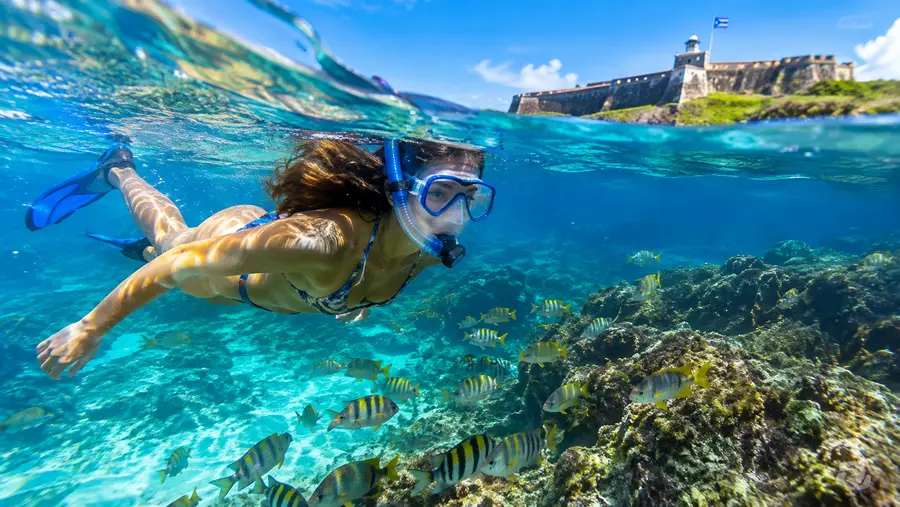
- Try split-level frames: Hold your camera half in the water and half out to capture the historic shoreline above and the reef bottom below.
- Freeze your body movement: Cross your ankles, stop finning, and pause your breathing for three seconds to keep the camera completely steady.
- Look for contrasting backgrounds: Frame yellow angelfish or bright blue tangs against open water instead of sandy bottom where colors wash out.
Be gentle with the animals. Puerto Rico strictly enforces wildlife conservation laws, particularly around endangered green and hawksbill turtles. Never chase an animal with a selfie stick. Chasing stresses the turtle, causes it to bolt toward deeper water, and leaves you with useless blurry shots. Hover calmly, float flat on your stomach, and wait. Turtles feeding on sea grass are used to quiet swimmers and will often swim right past your mask on their way up for air.
Post-Processing Magic and Saltwater Care
Photos taken underwater look underwhelming right off the memory card. They look cold, hazy, and washed out with heavy cyan tints. That is normal physics at work, not a bad camera. Because water strips away red light, every digital sensor struggles with auto white balance below the surface. A simple edit on your phone will restore the scene you remember seeing.
Free mobile tools like Lightroom Mobile or Dive+ clean up underwater color balance in seconds. If you shoot in RAW format, nudge the temperature slider toward warm yellow and push your tint slider toward magenta. Watch the reef transform as you make those adjustments. Coral heads turn golden brown again, sand brightens to a pale bone white, and the open water shifts to true Caribbean turquoise. Add a small bump to contrast, drop the highlights slightly, and apply a touch of dehaze to cut through floating sand particles.
Once you finish shooting, treat your camera gear with care. Salt from the Atlantic Ocean eats through aluminum, destroys rubber seals, and jams delicate control dials. Make cleaning your equipment an automatic habit before heading out to dinner.
- Soak in fresh water: Drop your sealed camera or housing in a sink full of clean, lukewarm water for twenty minutes to dissolve dried salt crystals.
- Exercise every control button: Press each button, switch, and dial repeatedly while the camera sits submerged in the fresh water bath.
- Dry with a microfiber towel: Wipe the body dry before opening any battery doors or memory slots so loose droplets cannot fall inside.
- Check rubber O-rings: Examine your housing seals under bright room light for loose grains of beach sand, hair, or signs of dry cracking.
Frequently Asked Questions about underwater photography tips for snorkeling
What camera settings work best for snorkeling in San Juan?
Set your camera to shoot in RAW format if supported, or record video at 4K at 60 fps. Keep your shutter speed at 1/250s or faster to freeze moving fish, and leave ISO on auto with a cap around 800 to avoid visual noise.
Do I need an underwater red filter while snorkeling?
No, red filters work best between 20 and 60 feet deep on scuba dives. In shallow water under ten feet, a red filter adds an unnatural orange cast to your photos. You are better off adjusting color balance later on your phone.
Can I take split-level over-under photos with a standard action camera?
You can, but it works much better with an aftermarket dome port attachment. A dome pushes the water line farther away from the camera lens, creating a clean split line between the sky and the reef.
Quick Reference
- Best morning light: 8:00 AM to 10:00 AM
- Typical reef depth: 5 to 15 feet
- Primary marine life site: Escambrón Marine Park
- Ideal video frame rate: 4K at 60 fps
- Best mobile edit adjustment: shift tint toward magenta
Book your snorkeling in puerto rico experience:
Before You Pack Up
Great snorkeling photos are less about buying expensive gear and more about patience, soft morning light, and smooth body movement. Take your time, float quietly over the reefs in San Juan, and let the fish get comfortable with your presence. The ocean here has plenty of stories to tell if you stay still long enough to catch them through the lens.
Read more about snorkeling in puerto rico.